Winter Menu Planning for Cafés: Warm Drinks That Go Beyond Coffee
When the temperature drops, café customers change their habits. Iced drinks and cold brew give way to steaming cups held in both hands. Mornings are darker, afternoons shorter and people seek comfort in warm, aromatic drinks. For café owners, winter is an opportunity to refresh the menu, attract customers who do not drink coffee and increase sales during what can otherwise be a quieter season.
A thoughtful winter drinks menu can become a highlight of the year.
Why Non-Coffee Drinks Matter
While coffee remains the backbone of Australian café culture, a significant share of customers either do not drink coffee or want an alternative later in the day. Parents with children, people reducing caffeine, those who simply prefer tea and customers looking for a treat all appreciate options beyond espresso.
Offering a strong non-coffee menu broadens appeal and can lift average transaction values.
The Enduring Appeal of Chai
Chai has become one of the most popular non-coffee drinks in Australian cafés. Originating in India, where masala chai is brewed with black tea, milk, sugar and spices such as cardamom, cinnamon, ginger, cloves and black pepper, it offers warmth, sweetness and complexity.
Australian cafés serve chai in various forms, from traditional brewed versions to lattes made with powders or syrups.
Consistency and Speed
During busy winter mornings, speed and consistency matter. Brewing traditional chai from whole spices is delicious but time consuming and can vary from batch to batch. Many cafés choose a quality Spiced Chai Latte powder or blend that delivers reliable flavour, colour and texture with every cup, allowing baristas to serve customers quickly while maintaining quality.
Hot Chocolate Done Well
Hot chocolate is a winter essential, loved by children and adults alike. Elevate it with quality chocolate, rich milk and creative variations such as salted caramel, mint, chilli or orange. Toppings like marshmallows, whipped cream and chocolate shavings add indulgence.
Offer dairy-free options using plant-based milks and dairy-free chocolate. A smaller kids’ size at a lower price is popular with families and helps parents say yes to a treat.
Golden Lattes and Spiced Drinks
Turmeric lattes, often called golden lattes, combine turmeric with spices such as ginger, cinnamon and black pepper. They appeal to customers seeking warming, caffeine-free options. Spiced apple, mulled drinks and ginger-based beverages also suit the season.
Tea Selection
A well-curated tea menu, with options such as English breakfast, earl grey, green tea, peppermint, chamomile and specialty blends, caters to tea lovers. Serving loose-leaf tea in attractive pots elevates the experience.
Seasonal Specials
Limited-time seasonal drinks create excitement and encourage repeat visits. Ideas include gingerbread lattes, maple and cinnamon drinks, spiced pumpkin and honey lavender. Promote specials with signage and social media.
Pairing Drinks With Food
Winter drinks pair beautifully with seasonal baked goods. Chai complements banana bread, spiced cakes and cinnamon scrolls. Hot chocolate pairs with churros and brownies. Promoting pairings encourages customers to add food to their order.
Presentation and Experience
Presentation matters. Serve drinks in attractive cups, add a sprinkle of cinnamon to chai, dust cocoa on hot chocolate and offer latte art where appropriate. Cosy seating, warm lighting and a welcoming atmosphere encourage customers to linger.
Pricing and Margins
Non-coffee drinks can offer strong margins when priced appropriately. Calculate the cost per serve, including milk, powders, syrups, cups and labour, and price accordingly. Premium ingredients and presentation justify premium pricing.
Training Staff
Ensure baristas know how to prepare each drink consistently, understand ingredients and can recommend options to customers. Staff enthusiasm about seasonal specials helps drive sales.
Listening to Customers
Gather feedback on new menu items and adjust accordingly. Notice which drinks sell well and which do not. Customer preferences vary by location, so what works in one café may differ in another.
Planning Stock and Waste
Winter menus often involve new ingredients, so plan stock carefully. Track daily sales of each drink for the first few weeks and adjust orders accordingly. Powders and syrups generally have longer shelf lives than fresh ingredients, which helps reduce waste. Milk usage often rises in winter as lattes and hot chocolates become more popular, so keep an eye on supplier deliveries.
Marketing the Winter Menu
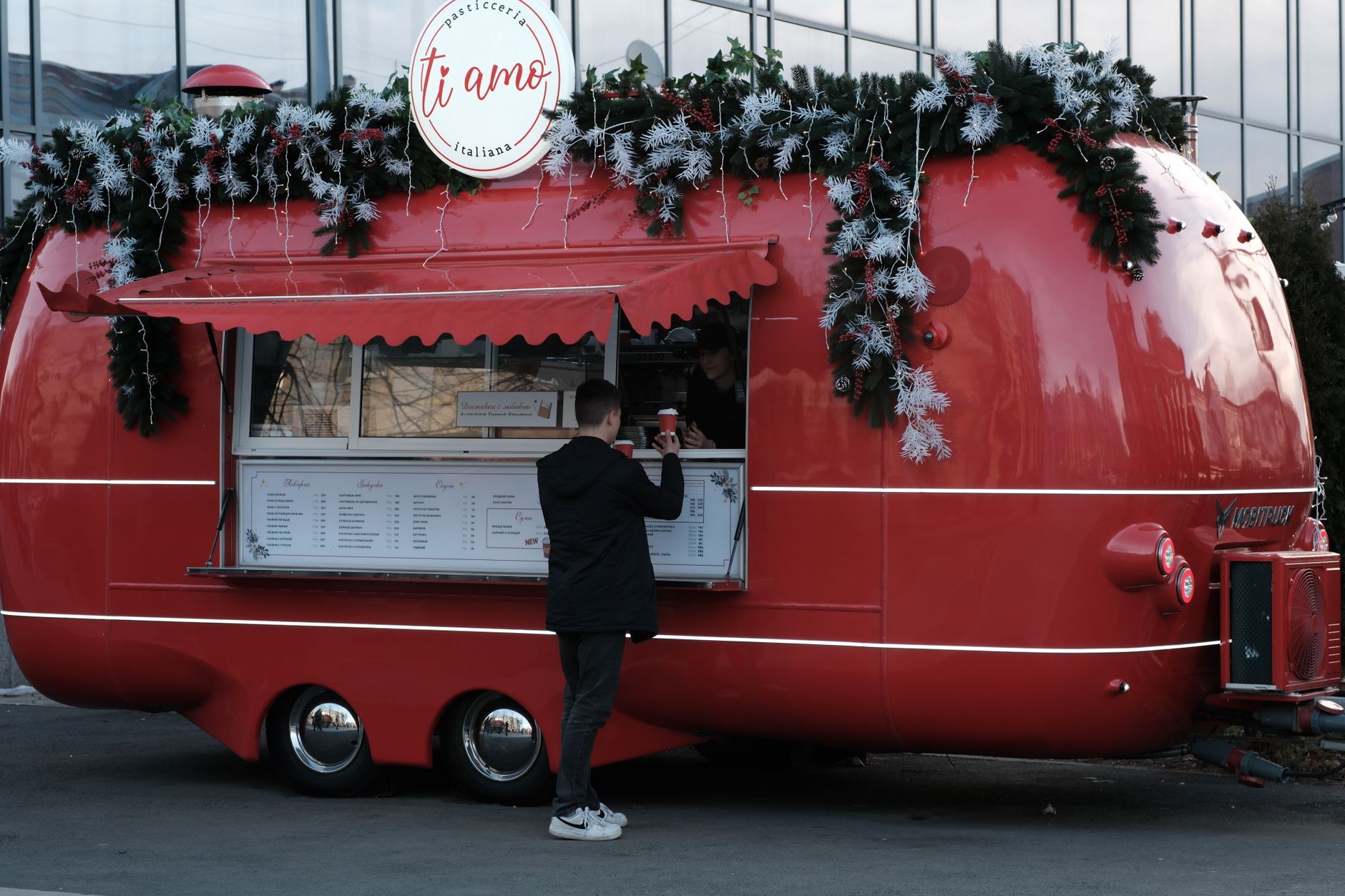
Let customers know when the winter menu launches. A chalkboard sign out the front, a post on social media with photos of the new drinks and a short mention by staff at the counter all help. Loyalty programs that reward customers for trying seasonal drinks, or a small discount on a drink and pastry pairing, encourage experimentation. Regulars who discover a new favourite are likely to keep ordering it all season.
A Warm Welcome
Winter can be a challenging season for cafés, but it also offers a chance to create memorable experiences. A thoughtful menu of warming drinks, served with care in a cosy atmosphere, keeps customers coming back through the coldest months and builds loyalty that lasts all year.