The Art Of Selecting The Perfect Braiding Hair: A Complete Guide For Flawless Styles
Choosing the right hair for braiding is one of the most important steps in achieving professional, long-lasting, and comfortable braided styles. Whether you’re a salon stylist or someone experimenting at home, the quality and type of braiding hair you choose can dramatically change the final result. It affects everything from the appearance and durability of the style to scalp comfort and maintenance over time.
With so many textures, brands, and materials available today, knowing what to look for helps you avoid common mistakes and ensures every braid looks polished and intentional.
Understanding the Main Types of Braiding Hair
The first major decision is between synthetic hair and human hair.
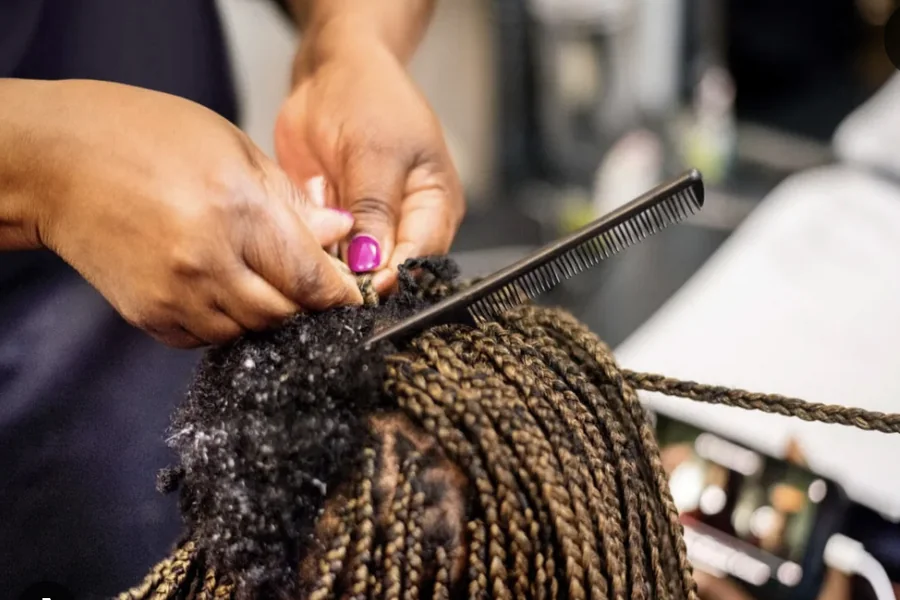
Synthetic hair is the most widely used option for braiding because it is affordable, easy to work with, and holds styles well. High-quality synthetic fibres, especially kanekalon, are soft, lightweight, and designed specifically for protective styles. This makes them ideal for box braids, twists, and cornrows, where structure and longevity are essential.
Human hair, on the other hand, offers a more natural finish and can be heat-styled. However, it is significantly more expensive and is not always necessary for traditional braiding styles. It is typically used when a seamless blend with natural hair is required or for more customised, high-end looks.
Most professionals rely on synthetic options for everyday salon work because they balance performance, cost, and durability.
Texture and Feel Make a Big Difference
Texture is one of the most important but often overlooked factors when choosing braiding hair. Even small differences in fibre quality can affect how the hair behaves during installation and how it wears over time.
Soft, lightweight hair is generally preferred because it reduces tension on the scalp and is easier to separate while braiding. Rough or overly shiny fibres can make braiding difficult and may look unnatural once installed.
Good-quality braiding hair should glide smoothly between the fingers, hold its shape well, and not tangle excessively during styling. These details may seem minor, but they significantly affect both the stylist’s workflow and the client’s comfort.
Length, Volume, and Style Goals
The length and thickness of braiding hair should always match the intended style.
Long extensions are popular for dramatic, waist-length braids, while shorter lengths are ideal for bob cuts or shoulder-length styles. Thickness also plays a key role. Some clients want bold, full-bodied braids, while others prefer lighter, more natural-looking results.
A skilled stylist balances aesthetics with practicality. Overly heavy braids can strain the scalp, while hair that is too thin may not achieve the desired fullness. Understanding these preferences helps create personalised results that clients feel confident wearing.
Colour Selection and Creative Freedom
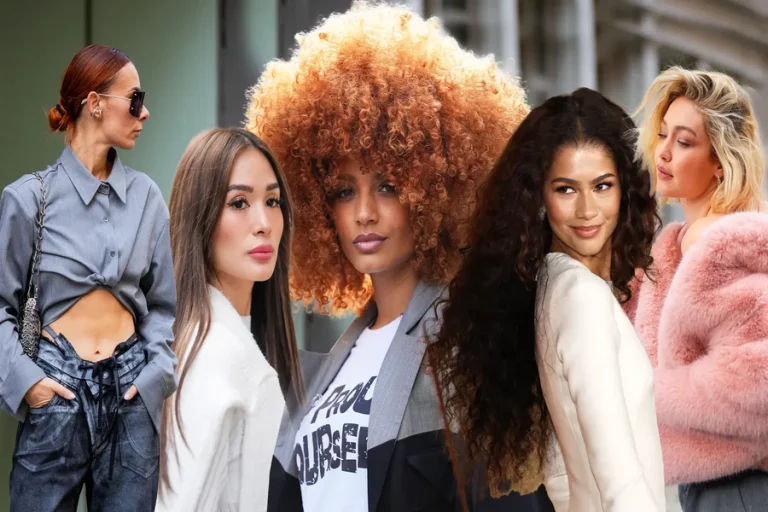
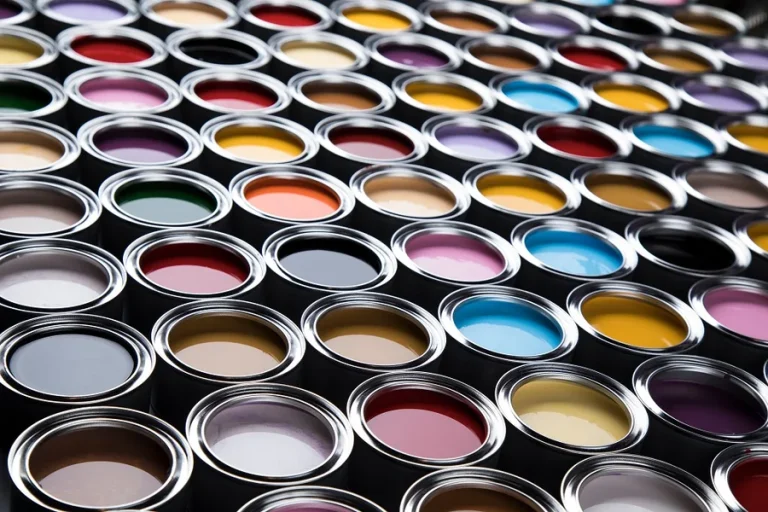
Modern braiding hair comes in a wide range of colours, from natural shades to bold fashion tones. This allows for a high level of creativity and personal expression.
Neutral tones like black, brown, and blonde remain popular because they blend seamlessly with natural hair. However, vibrant colours, ombré blends, and multi-tone effects are increasingly in demand, especially among younger clients and trend-focused styles.
Offering a diverse colour selection in a salon helps attract a wider audience and encourages clients to experiment with new looks.
Budget vs Quality: Finding the Right Balance
While it can be tempting to choose the cheapest braiding hair available, quality should never be overlooked. Low-grade hair often tangles easily, sheds quickly, and loses its shape within days, leading to client dissatisfaction and more maintenance work.
Higher-quality hair may cost more initially, but it performs better, lasts longer, and creates a smoother braiding experience for both stylist and client. Over time, this can actually save money by reducing waste and improving client retention.
For example, many professional stylists prefer sourcing from reliable suppliers such as Gyal Braids because Gyal Braids offers consistent fibre quality, durable textures, and a wide selection of colours that support both everyday and creative styling needs.
Scalp Health and Client Comfort
Comfort should always be a priority when selecting braiding hair. Lightweight fibres reduce tension on the scalp, helping prevent headaches and long-term hair stress.
Pre-stretched hair is also a popular option because it reduces bulk at the roots and creates a more natural finish. Additionally, some synthetic hair benefits from being rinsed or pre-treated before use to remove any chemical coating that may cause irritation.
Educating clients about scalp care and proper installation techniques is just as important as choosing the right hair.
Maintenance and Longevity of Braids
Even the best braiding hair requires proper care to maintain its appearance. Clients should be advised to:
- Wrap their hair at night using a satin or silk scarf
- Keep the scalp clean and moisturised
- Avoid excessive product buildup
- Minimise pulling or frequent restyling
Good-quality braiding hair will naturally resist frizz and maintain its structure longer, but proper aftercare is what truly extends the life of the style.
Final Thoughts
Selecting the right braiding hair is both a technical and creative decision. It requires understanding texture, quality, length, and client expectations. When chosen correctly, the hair not only enhances the final style but also improves comfort, durability, and overall satisfaction.
For stylists, investing in quality materials and trusted suppliers is a key part of building a strong reputation. With the right choices, every braid becomes more than just a hairstyle—it becomes a long-lasting expression of skill, care, and creativity.