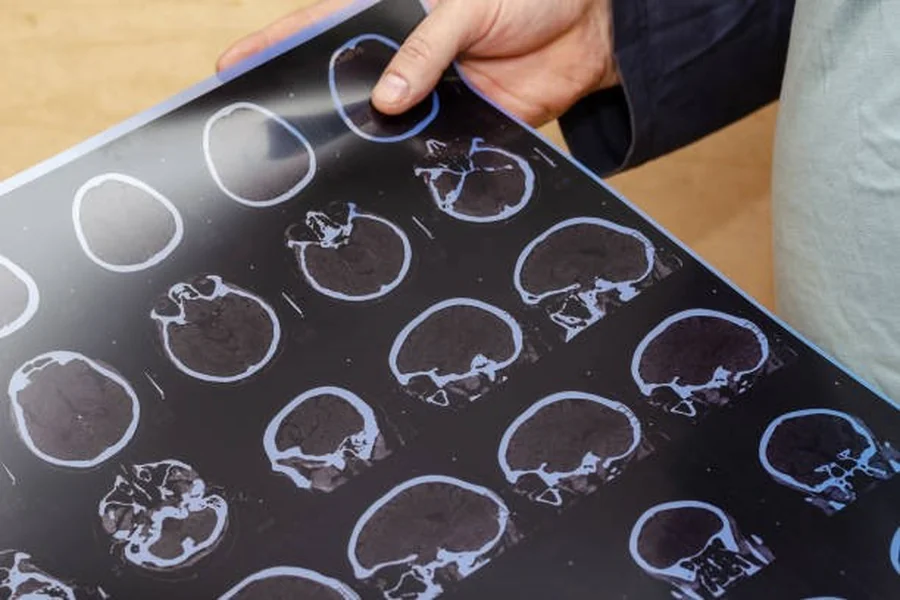
Recognizing The Signs Of A Traumatic Brain Injury
San Antonio is known for its vibrant culture, historic sites, and bustling communities. But like any growing city, it also sees its share of accidents, from car collisions to workplace mishaps. Some of the most devastating outcomes of these incidents are traumatic brain injuries (TBIs), which can alter a person’s life in profound ways. For those affected, seeking guidance from San Antonio attorneys for traumatic brain injury cases can be a critical step toward recovery and justice. Before that, however, recognizing the signs of a TBI is essential.
What is a Traumatic Brain Injury?
A traumatic brain injury occurs when an external force impacts the head or body, disrupting normal brain function. This can result from falls, vehicle accidents, sports injuries, or even violent acts. TBIs can range in severity from mild concussions to severe, life-threatening conditions. Early recognition and treatment often play a significant role in long-term outcomes.
Physical Symptoms You Shouldn’t Ignore
One of the first indicators of a TBI is the appearance of physical symptoms. These can occur immediately after an accident or gradually develop over hours or days. Common physical signs include headaches, dizziness, nausea, and vomiting. In more serious cases, victims may experience loss of consciousness, seizures, or persistent fatigue.
Blurred vision, ringing in the ears, and sensitivity to light or sound may also signal brain trauma. Since some symptoms may seem minor at first, many people dismiss them as temporary discomfort. However, overlooking these signs can delay treatment and worsen the condition.
Cognitive and Mental Warning Signs
Beyond physical symptoms, TBIs often affect a person’s cognitive abilities. Victims may struggle with memory loss, difficulty concentrating, or confusion. They might find it hard to process information or complete tasks that were once simple.
Mood changes are also common. A normally calm individual may become irritable, anxious, or depressed. Friends and family often notice these shifts before the injured person does. Since these changes can significantly impact daily life and relationships, they should not be ignored.
Sleep Disturbances and Fatigue
Sleep issues frequently follow brain injuries. Some individuals may sleep far more than usual, while others have trouble falling or staying asleep. Persistent fatigue, even after rest, is another hallmark of a TBI. Disruptions to sleep patterns can exacerbate other symptoms, creating a cycle that hinders recovery.
Signs in Children and Teens
Recognizing TBIs in younger individuals presents unique challenges. Children may not be able to articulate how they feel, making it harder for parents or teachers to identify the problem. Warning signs include unusual irritability, changes in eating or sleeping habits, difficulty paying attention, or a sudden decline in school performance. If a child experiences a blow to the head, it’s always best to seek medical evaluation, even if the symptoms appear mild.
Why Early Detection Matters
Early detection of TBIs can prevent long-term complications. Left untreated, brain injuries can lead to chronic headaches, permanent cognitive impairments, or even degenerative brain diseases later in life. Immediate medical attention allows healthcare providers to monitor the brain, manage swelling, and reduce risks of further damage.
Legal Considerations for TBI Victims
While medical treatment is the first priority, the legal side of a traumatic brain injury should not be overlooked. Many TBIs result from negligence—whether a reckless driver, an unsafe work environment, or inadequate property maintenance. Victims and their families may face overwhelming medical bills, loss of income, and emotional suffering.
This is where legal support becomes vital. Skilled attorneys can investigate the cause of the injury, gather evidence, and pursue compensation for damages. From covering medical expenses to addressing long-term care needs, legal action can ease the financial and emotional burden on families.
Final Thoughts
Recognizing the signs of a traumatic brain injury can make all the difference in a person’s recovery. Symptoms may appear subtle at first, but even minor head trauma should be taken seriously. In cities like San Antonio, where accidents are an unfortunate reality of everyday life, awareness of these warning signs is essential. With timely medical care and strong legal support, victims can better navigate the challenges ahead and focus on rebuilding their lives.