Key Evidence Used In Workplace Discrimination Cases
Workplace discrimination continues to be a major issue in California, with enforcement agencies handling a significant volume of complaints each year. Recent data shows that more than 23,000 employment discrimination claims are filed annually with the state civil rights agency, covering allegations related to race, gender, disability, age, and other protected categories. A large share of these cases involve retaliation or wrongful termination following internal complaints, and thousands proceed to formal investigation or litigation. As employment laws expand and compliance requirements grow more complex, the overall number of reported workplace disputes has steadily increased over the past several years.
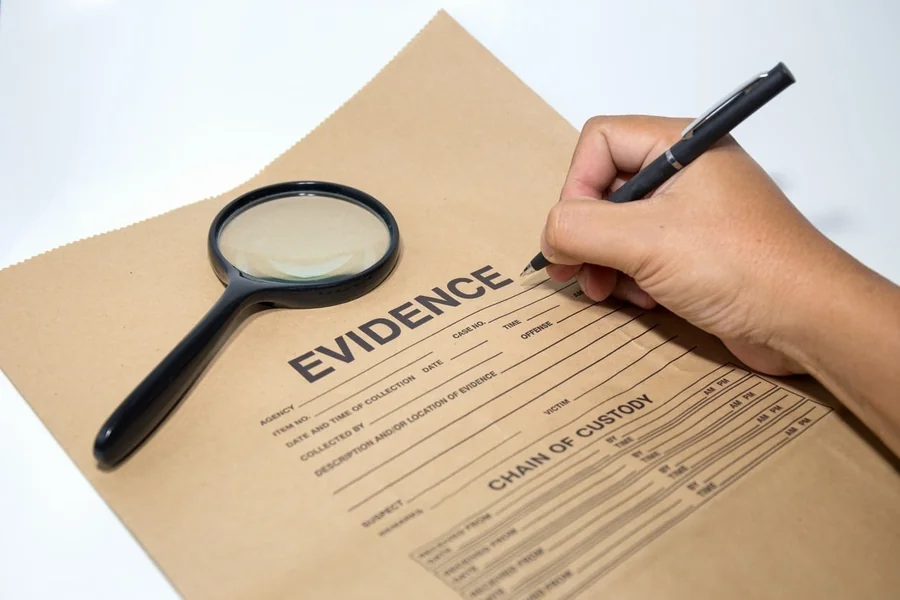
In discrimination cases, the strength of the claim often depends on how well the evidence demonstrates unequal treatment and employer intent. Attorneys focus on collecting records such as performance reviews, internal complaints, comparative employee data, witness statements, and communication logs to establish patterns of bias or inconsistent enforcement of workplace policies. Moon Law Group helps employees identify and organize the most persuasive forms of proof, ensuring that critical documentation is preserved and presented in a way that supports both legal standards and long-term case strategy.
Direct Statements and Written Communication
The direct statements of supervisors or co-workers are among the most powerful pieces of evidence in discrimination cases. Written communications, such as emails, text messages, or memos that overtly exhibit discrimination, are incredibly useful in proving the claim. Such records may indicate intent or reveal certain characteristics of the language used in them, which further strengthens the claim. Under scrutiny, even casual statements can have value if they are properly documented.
Employment Policies and Handbooks
Employment policies and handbooks help identify whether there was discrimination. Both employee handbooks and other official guidelines spell out expected behaviors and the manner in which complaints should be handled. One way to identify consistent or inconsistent behavior is to compare management actions with the written standards. When the practice does not comply with the law and/or policy, the claim is often stronger.
Comparative Evidence
Courts scrutinize whether employees in similar situations were treated differently. Comparative evidence, which compares the experience of colleagues in a similar position, is essential in proving claims. Also, if the experiences of those with equal credentials are different in cases where a person was harshly disciplined or denied promotion, the claim becomes stronger. If a person was discriminated against because of their race and other people were not disciplined at all, such dissimilar treatment can be an indication of discrimination.
Witness Testimony
Testimony from colleagues or anyone else who has witnessed the alleged discrimination can be powerful. They offer their perspectives on workplace interactions, things they hear, decisions they observe, and other related comments. These accounts often help establish context and can either corroborate or contradict the details in other pieces of evidence. A persistent single claim from multiple people may help bolster the validity of a claim, but contradictory statements may do the opposite.
Statistical Data
Even where individual stories remain hidden, patterns often manifest in the statistics. Aggregate data on hiring, promotions, or discipline can show patterns that suggest discrimination. Statistical analysis can identify an issue, for example, where one group appears to consistently fail to receive promotions. While reading between the lines may be necessary, this type of information can be useful in strengthening more general assertions, as part of a wider body of evidence.
Performance Evaluations
Performance reviews, when done regularly, can be invaluable documentation in discrimination suits. If evaluations suddenly worsen after an employee complains or after a protected characteristic is revealed is a common indicator of bias. Comparing written feedback over time or between employees can help reveal potential inconsistencies. Regular, undisputed ratings could work against claims, whereas unexplained fluctuations could be a boon for claims.
Documentation of Complaints
Written documentation of official claims made to human resources or supervisors provides a chronological account of events. They demonstrate how concerns were raised and how management responded. Such records can be instrumental when complaints are ignored, dismissed, or met with retaliation. A chronological record can clear up doubts about whether proper protocol was followed, so copies of all correspondence and any responses to them should be kept.
Medical and Psychological Wellness Records
At times, some cases of discrimination have a medical or psychological effect on employees. Healthcare documentation of stress, anxiety, or depression triggered by occupational events may be relevant. These records need to establish a direct link between symptoms and a triggering event at work. It may be anecdotal in nature, but such evidence can illustrate how discrimination affects a person and can bolster damage claims.
Surveillance Footage and Digital Records
Sometimes, a security camera or an electronic access log can provide objective evidence in support of a claim. Videos may show some of the events or interactions leading to the case. Digital footprints, which can include anything from timestamps to log-in data, prove where someone was or what they were doing at critical times. Such evidence tends to be neutral and impartial (since it only depicts what happened) and is often useful in the case of a dispute.
Conclusion
Workplace discrimination cases usually rely on a broad spectrum of evidence. Hence, well-documented, consistent testimonies and neutral records are important. An employee who is transparent and provides solid proof can validate their assertions. By following the rules and documenting every event, employees help maintain a safer and fairer environment for everyone.