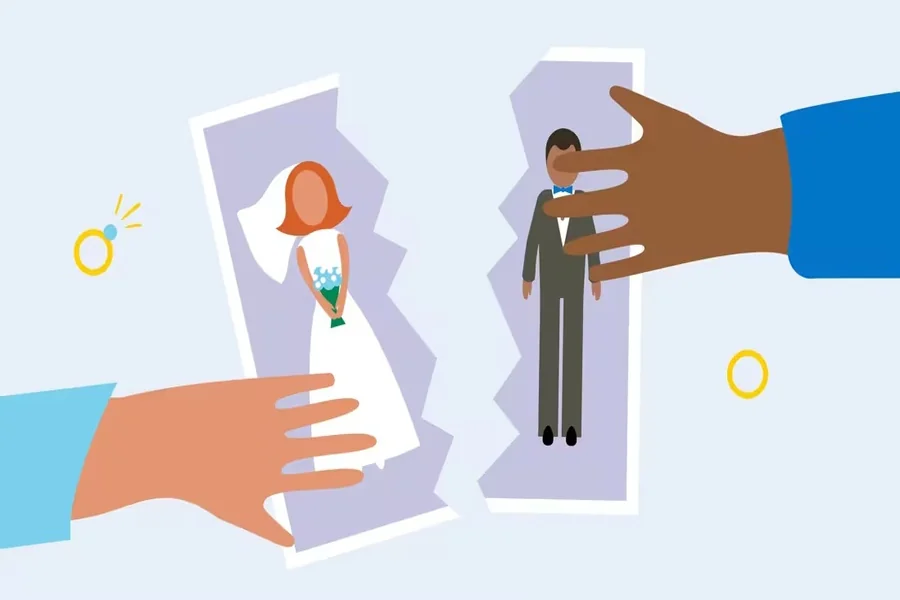
Divorce: Understanding Its Meaning, Causes, Process, And Effects
Divorce is the legal ending of a marriage between two people. While marriage is often seen as a lifelong commitment, not all relationships work out as intended. When couples decide they can no longer stay together, divorce becomes the formal process that allows them to separate legally, financially, and emotionally. It is a significant life event that affects not only the two individuals involved but also children, families, and sometimes wider social circles.
What Divorce Means
At its core, divorce is a legal procedure that dissolves a marriage contract. Once a divorce is finalized, both individuals are no longer legally married and are free to remarry if they choose. However, divorce is not just a legal process—it is also an emotional and social transition. It often marks the end of shared routines, mutual responsibilities, and long-term plans.
Different countries have different laws governing divorce. In some places, couples must prove specific reasons for separation, while in others, no-fault divorce allows people to separate simply because the marriage is no longer working.
Common Causes of Divorce
There is no single reason why marriages end. Instead, divorce usually results from a combination of factors that build up over time. Some of the most common causes include:
- Communication problems
Poor communication is one of the leading reasons marriages break down. When couples struggle to express feelings, resolve conflicts, or understand each other, misunderstandings can grow into serious issues. - Financial stress
Money problems can place significant pressure on a relationship. Disagreements about spending habits, debt, or financial priorities often create ongoing tension. - Infidelity
When one partner is unfaithful, trust is broken. Rebuilding trust after cheating can be extremely difficult, and many marriages end as a result. - Lack of compatibility
Over time, people may realize they have different values, goals, or lifestyles. These differences can make it hard to continue building a shared future. - Emotional or physical neglect
If one partner feels ignored, unsupported, or disconnected, emotional distance can grow. In some cases, this leads to the end of the relationship. - Abuse or harmful behavior
In serious cases involving emotional, physical, or psychological abuse, divorce may be necessary for safety and well-being.
The Divorce Process
The process of divorce varies depending on location, but it generally involves several key steps. In many cases, individuals seek legal services for divorce to ensure that paperwork is correctly prepared, rights are protected, and agreements are handled fairly. These services can help guide people through the complex legal system and reduce confusion during an already stressful time.
Filing a petition
One or both spouses submit legal documents requesting a divorce. This officially begins the process.
Response and negotiation
The other spouse responds, and both parties may negotiate important matters such as property division, financial support, and child custody.
Mediation or court hearings
Some couples resolve disputes through mediation, where a neutral third party helps them reach agreements. Others may go to court, where a judge makes final decisions.
Final decree
Once all issues are settled, a court issues a final divorce decree, officially ending the marriage.
In some cases, divorces are uncontested, meaning both parties agree on all terms. These are usually quicker and less stressful. Contested divorces, where disagreements exist, can take longer and become more emotionally draining.
Impact on Individuals
Divorce can have deep emotional effects on both partners. Feelings of sadness, anger, relief, confusion, or guilt are common. Even when a divorce is mutual and peaceful, it still represents a major life change.
Emotionally, people may need time to adjust to living alone or rebuilding their identity outside of the marriage. Some experience stress or anxiety as they navigate new routines and responsibilities.
Financially, divorce can also have consequences. Shared assets may need to be divided, and living expenses may increase when households are split.
Impact on Children
When children are involved, divorce can be especially challenging. Children may feel confused or upset about the separation of their parents. They might also experience changes in living arrangements, schools, or daily routines.
However, the impact of divorce on children depends greatly on how parents handle the situation. When parents remain respectful toward each other and provide emotional support, children are more likely to adjust in a healthy way. In contrast, ongoing conflict between parents can make the experience more difficult.
Social and Emotional Adjustment
After divorce, individuals often go through a period of adjustment. This may include rebuilding social connections, redefining personal goals, and learning to manage life independently. Support from friends, family, or counselors can play an important role during this time.
Many people eventually recover from the difficulties of divorce and move forward with their lives. Some may enter new relationships later on, while others focus on personal growth, education, or careers.
Positive and Negative Aspects
Divorce is often seen as painful, but it can also bring positive changes. If a marriage is unhealthy or unhappy, separation can lead to personal freedom, reduced stress, and improved mental health. It can allow individuals to build a life that better suits their needs and values.
However, the negative aspects should not be overlooked. Divorce can be emotionally exhausting, financially challenging, and socially disruptive. The experience varies widely depending on the situation and the people involved.
Changing Views on Divorce
Over time, society’s view of divorce has changed. In the past, divorce was often considered rare or unacceptable in many cultures. Today, it is more widely understood as a normal part of life for some couples. Increased awareness of mental health and personal well-being has also contributed to more acceptance of divorce when relationships are unhealthy.
Conclusion
Divorce is a complex and deeply personal process that involves legal, emotional, and social changes. While it marks the end of a marriage, it can also represent the beginning of a new chapter in life. Understanding its causes, effects, and processes helps people approach it with greater awareness and empathy. Although it is often difficult, many individuals find ways to heal, adapt, and rebuild after divorce, creating meaningful and stable lives in the future.