Choosing The Right Roof: Materials, Styles, And Longevity
The roof is one of the most critical components of a home, providing protection from the elements, contributing to energy efficiency, and enhancing curb appeal. However, selecting the right roof can feel overwhelming, given the wide array of materials, styles, and lifespans available. Making an informed choice ensures that your investment is durable, cost-effective, and visually appealing. Here’s a comprehensive guide to help you navigate the decision-making process.
Understanding Roofing Materials
Roofing materials significantly influence durability, aesthetics, and cost. Here’s a breakdown of the most common options:
Asphalt Shingles
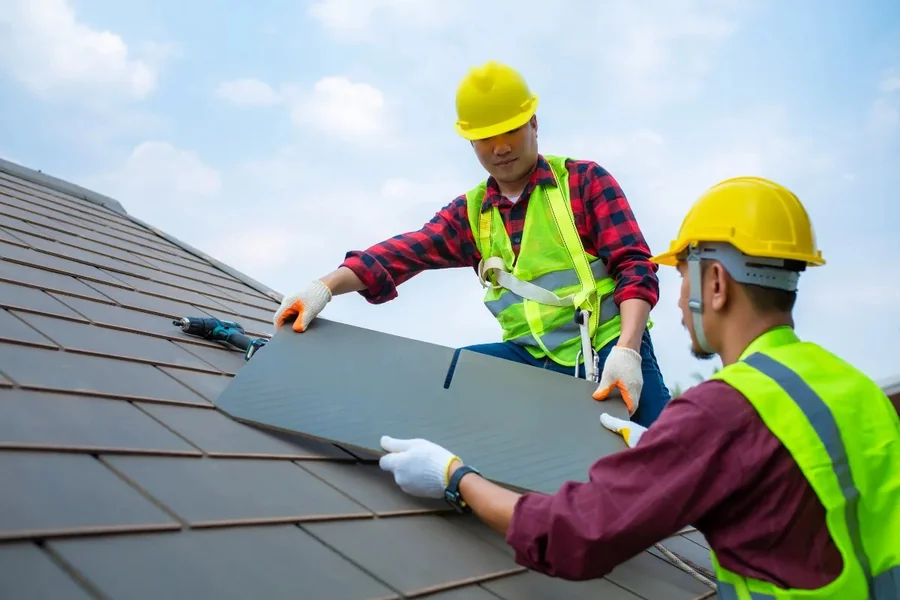
Asphalt shingles are the most popular roofing material in the United States due to their affordability, versatility, and ease of installation. They are available in a variety of colors and styles, including architectural shingles that mimic the appearance of slate or wood. Standard asphalt shingles typically last 15–30 years, while premium variants can endure up to 50 years. They are particularly suitable for residential homes in moderate climates but may wear faster under extreme heat or heavy storms.
Metal Roofing
Metal roofs, often made from steel, aluminum, or copper, are celebrated for their longevity, lightweight nature, and energy efficiency. A properly installed metal roof can last 40–70 years and reflect solar heat, reducing cooling costs. Metal roofing comes in panels or shingles and can mimic the look of traditional materials like tile or slate. While the upfront cost is higher than asphalt, the long-term durability and low maintenance often make it a worthwhile investment.
Tile Roofing
Clay or concrete tiles are known for their elegance, durability, and fire resistance. Tile roofs can last over 50 years, making them an excellent long-term option. They are heavy, requiring a strong roof structure, and tend to be more expensive to install. Tile is especially popular in Mediterranean, Southwestern, and Spanish-style homes due to its aesthetic appeal and resilience in hot climates.
Slate Roofing
Slate is a natural stone material that provides unmatched longevity and a sophisticated appearance. Long-lasting slate roofing can endure 75–100 years or more and is highly resistant to fire and harsh weather. The cost of slate roofing is substantial, and installation requires skilled professionals due to its weight and fragility. This option is ideal for homeowners seeking a classic, long-lasting roof.
Wood Shingles and Shakes
Wood roofing, typically cedar, offers natural beauty and insulating properties. Shingles are machine-cut for uniformity, while shakes are hand-split, providing a rustic look. Wood roofs can last 25–40 years but require regular maintenance to prevent rot, mold, and insect damage. They are best suited for homes in dry climates and those looking for a traditional aesthetic.
Roof Styles and Their Impact
Beyond materials, the style of your roof affects both function and visual appeal. Common styles include:
- Gable Roof: Simple and cost-effective, gable roofs have two sloping sides and are ideal for shedding water and snow.
- Hip Roof: Featuring slopes on all four sides, hip roofs provide greater stability in high-wind areas.
- Flat Roof: Often used in modern or commercial buildings, flat roofs allow for rooftop decks or gardens but require careful waterproofing.
- Mansard and Gambrel Roofs: These styles offer additional living space in the attic and a distinctive look, though construction costs may be higher.
The choice of style can influence drainage, insulation, and even the resale value of your home. Consider both aesthetic preference and the specific climate challenges in your area when selecting a style.
Longevity and Maintenance Considerations
Longevity is a critical factor when choosing roofing materials. While asphalt shingles are affordable upfront, they may require replacement sooner than metal or slate. Conversely, materials like slate, tile, and metal offer decades of service but come with higher initial costs. Regular maintenance—such as cleaning gutters, inspecting for damage, and replacing worn flashing—can extend the life of any roof.
Energy efficiency is another consideration. Lighter-colored or reflective materials reduce heat absorption, lowering cooling costs in warmer climates. Ventilation and insulation also play a crucial role in prolonging roof life and maintaining home comfort.
Making the Right Choice
Selecting the right roof is a balance between budget, aesthetics, functionality, and durability. Homeowners should assess local climate conditions, architectural style, and long-term maintenance needs. Consulting with professional roofing contractors can provide insights into material performance, installation requirements, and cost-benefit analysis over time.
Ultimately, the roof is more than just a cover; it is a long-term investment that protects your home and enhances its value. By carefully considering materials, styles, and longevity, you can choose a roof that not only meets your practical needs but also elevates the beauty and resilience of your home for decades to come.