Choosing The Right Replacement Windows For Your Home
Why Homeowners Replace Windows
It’s easy to take windows for granted, but their condition can affect how a home feels daily. As windows age, they often develop tiny cracks or lose their protective seal. This leads to chronic drafts, condensation inside the panes, and escalating heating and cooling bills. Many homeowners notice their HVAC system working overtime to compensate for these leaks, which drives up monthly energy expenses and contributes to a less comfortable living space. Winter chills—even when the furnace is humming—or the struggle to cool a room during the summer are telltale signs that the windows have reached the end of their service life. Collaborating with a professional Denver Window Company or a reputable local expert is a practical step when upgrading, since the quality of both product and installation impacts longevity and performance.
According to industry experts and government organizations, neglecting outdated windows can result in more than just discomfort. Over time, warped frames can allow moisture to slip inside the walls, spurring hidden mold and potential structural issues. In many cases, homeowners will see visible symptoms: sills soft to the touch, windows that stick and resist opening, or cloudy glass indicating broken seals. The U.S. Department of Energy’s Energy Saver guidance notes that windows account for about 25–30% of residential heating and cooling energy use. Timely window replacement is thus not just about aesthetics—it’s a decision that affects energy efficiency, monthly costs, and even the long-term health of your home.
Types of Replacement Window Materials
Selecting the right frame material is a foundational step in the window replacement journey. Each material brings a slightly different profile of advantages, impacting everything from maintenance requirements to insulation value. Vinyl has become a favorite for homeowners looking for a low-maintenance, cost-effective option. Its resilient surface resists fading, chipping, and warping, which is ideal for families that want to avoid annual touch-ups or repainting. All it typically requires is a seasonal wash to maintain its crisp appearance. Wooden frames, on the other hand, lend a sense of traditional warmth that many find irresistible, particularly in classic or historical homes. While wood insulates well and can last decades when cared for, regular painting or sealing is needed to keep rot and insects at bay.
- Vinyl: Excels at blocking out drafts, needs little maintenance, widely available in many colors and finishes.
- Wood is naturally insulating, adds character and elegance, and is perfect for restorations. However, without routine upkeep, it is susceptible to environmental wear.
- Fiberglass: Combines impressive strength with minimal thermal expansion, resisting warping or shrinking in areas with weather extremes. It is often painted to suit custom color schemes.
- Aluminum offers slim, modern frames and high strength, but it is best for regions with moderate climates, as it isn’t an excellent insulator on its own.
It’s also smart to consider your local climate. Certain materials offer unique benefits in hot, humid, or extremely cold areas. Homeowners balancing investment with maintenance and performance find it pays to compare long-term advantages.
Window Styles and Their Benefits
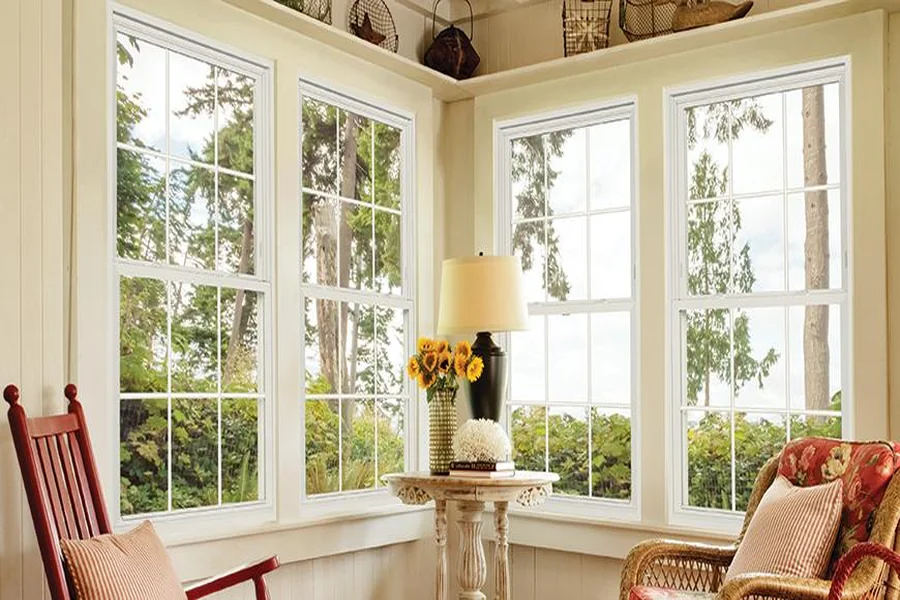
Window style can dramatically influence the feel and functionality of each room. Each style offers a distinct approach to airflow, light, and safety concerns. Double-hung windows are popular, offering the flexibility of opening from the top or bottom sash for customizable ventilation. This makes them ideal for rooms with steady breezes and easy cleaning. Casement windows, in contrast, crank open on side hinges to allow full panels to swing outward—this design keeps air moving and enables tight seals when closed, making them an excellent choice for kitchens and bathrooms.
- Double-hung: A classic silhouette that is great for bedrooms and living rooms, and simple to clean from the inside.
- Casement is excellent for hard-to-reach spots (like over sinks) and forms a tight seal against wind and precipitation.
- Slider: Opens horizontally for wide, easy airflow and is often chosen for contemporary or mid-century architecture.
- Bay or Bow: Brings in natural light and creates inviting alcove seating; transforms both exterior and interior sightlines.
- Picture: Fixed windows are perfect for framing views, maximizing daylight while sealing in energy savings.
Considering the look and practical needs, like emergency egress, accessibility, or maximizing small spaces, will help you select the right combination of window styles for your lifestyle and home’s architecture.
Energy Efficiency and Window Performance
Energy-efficient windows are packed with technology designed to conserve heat and minimize energy waste. The U-factor measures how well a window prevents heat from escaping—a lower U-factor indicates better insulation. Solar Heat Gain Coefficient (SHGC) reflects the amount of sunlight that passes through and becomes heat; in colder climates, a higher SHGC can help capture warmth from the sun, while in hot environments, a lower SHGC keeps interiors cool. Choosing between double- and triple-pane insulation is often determined by your specific climate and energy goals. Each additional layer of glass—and the inert gas fills between them—helps boost thermal performance, cut down drafts, and reduce outside noise.
Opting for windows with Low-E coatings can make a big difference without changing the look of the window. These microscopic metallic layers reflect heat from the sun outward in summer and inward in winter, helping to maintain consistent indoor temperatures. Research such as Wirecutter’s guide to energy-efficient windows showcases real-world experiences that support the investment: homes with upgraded windows routinely see reduced energy usage and improved comfort. The best windows carry NFRC and ENERGY STAR labels, signaling independently certified savings.
How Replacement Windows Improve Comfort and Curb Appeal
On both practical and aesthetic levels, new windows breathe life into homes. Modern selections can reduce street noise considerably, making even bustling neighborhoods far more peaceful indoors. High-performance glass and upgraded seals also keep a home’s environment stable—less humidity sneaks in during summer, and chilly drafts become a thing of the past in winter. If you’re thinking about resale, curb appeal shouldn’t be underestimated: fresh new windows often rank among the top features buyers seek, because they know the value of lower energy bills and move-in-ready upgrades.
Even owners of older, historic properties aren’t left out. Increasingly, manufacturers can replicate original features such as muntin bars or custom radius frames to preserve a building’s character while subtly harnessing all the advantages of advanced glass, weatherstripping, and insulation. Upgraded windows can also increase available natural light, make a space feel larger, and accentuate architectural details.
The Window Replacement Process: What to Expect
Knowing what happens during a window project can help reduce stress. It starts with an in-home or virtual consultation, where measurements are taken and styles, colors, and performance needs are discussed. Once products are ordered, expect a wait as custom sizes are manufactured. Installation is typically efficient: professionals begin by removing old units, prepping the opening—inspecting for any water or structural issues—then inserting new windows and securing everything with insulation and trim.
- Protect your belongings by moving furniture and wall décor away from window spaces before crews arrive.
- Expect a work area closure for safety, and a post-installation cleanup to restore each room to its prior state.
Depending on the scope, a single window can be replaced in under an hour, while a whole-home project may span several days. Installers should offer a clear schedule, answer questions, and provide tips for caring for your new windows after the job.
Budgeting and Cost Considerations
Pricing for window replacement varies but usually ranges from $300 to $1,200 per window installed, depending on material, style, size, and local labor costs. Standard vinyl replacement windows tend to be at the lower end, while large bay windows, custom shapes, and premium wood or composite frames command higher price tags. However, weighing these costs against potential energy savings puts them in perspective. The EPA and other organizations estimate that energy-efficient windows can save anywhere from $126 to $465 annually when replacing single-pane models.
It’s smart to request several quotes and inquire about included features, warranties, and rebates. Investing in modern, well-built windows pays off not just in lower utility bills but in fewer future repairs, easier cleaning, and increased satisfaction with your living space.
Frequently Asked Questions About Replacement Windows
How long do replacement windows last?
With proper installation and maintenance, new windows often last 20–30 years, sometimes even longer, especially with durable materials like fiberglass or composite.
Can windows be replaced year-round?
Absolutely. Skilled installers swap windows in every season. In extremely cold or hot weather, they may work one window at a time to minimize energy loss and take special care with sealants and adhesives.
Are there tax credits or rebates?
Many energy-efficient window upgrades qualify for federal tax credits, local utility rebates, or state incentives. Visit relevant government and energy program websites to check for the latest offers in your area.
Recap and Next Steps for Homeowners
Thoughtful selection and expert installation of replacement windows can make your home quieter, cozier, and more attractive, while putting more money back in your pocket. Focus on material, style, and energy ratings to match your needs, and don’t hesitate to ask questions throughout the process. Tap into reputable resources and consider professional guidance to maximize short- and long-term benefits as you plan your window upgrade project.