
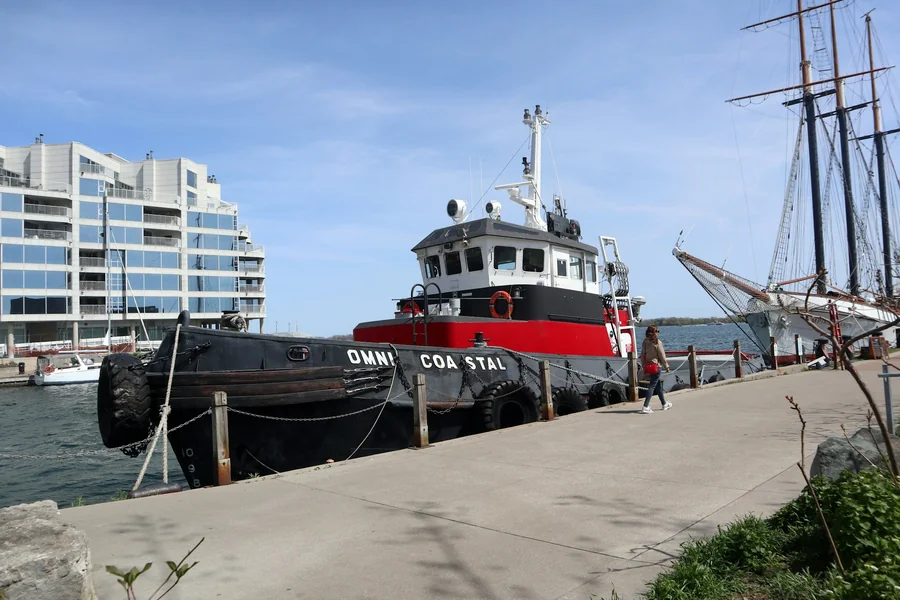
The Essential Role And Uses Of Tow Tugs In Modern Maritime Operations
Tow tugs, also known as tugboats, are among the most versatile and indispensable vessels in maritime operations. Despite their relatively small size compared to freighters and cruise ships, tow tugs play a critical role in ensuring the safety, efficiency, and reliability of maritime transport. Their primary function is to provide propulsion and maneuvering assistance to other vessels, but their uses extend far beyond simple towing. This article explores the many applications of tow tugs, highlighting their importance across commercial, industrial, and emergency maritime contexts.
Harbor Maneuvering and Berthing Assistance
One of the most common uses of tow tugs is assisting large ships in harbors. Vessels such as container ships, oil tankers, and cruise ships often have limited maneuverability in confined spaces. The restricted width of docks, the presence of other ships, and variable weather conditions make precise navigation challenging. Tow tugs provide critical support by using strong cables or push-points to guide these large vessels safely to their berths.
Harbor tow tugs are designed for agility and power, allowing them to execute precise maneuvers, including turning ships around, aligning them with docks, or moving them sideways in a process known as “berth shifting.” By facilitating these movements, tow tugs reduce the risk of collisions, grounding, or damage to port infrastructure, thereby ensuring the smooth operation of busy ports around the world.
Offshore Towing and Ship Assistance
Tow tugs are also essential in offshore operations. They are commonly used to tow vessels over long distances, such as moving barges, oil rigs, or floating platforms to new locations. Offshore tow tugs are built to withstand open sea conditions, including rough waters, high winds, and strong currents. Their powerful engines and reinforced hulls enable them to tow enormous loads safely, often over hundreds of nautical miles.
In emergency scenarios, tow tugs provide crucial assistance to vessels in distress. Ships that experience mechanical failure, steering malfunctions, or engine problems at sea can be towed to safety, preventing accidents or environmental hazards such as oil spills. By offering rapid response capabilities, tow tugs act as a lifeline in maritime safety and rescue operations.
Salvage Operations
Tow tugs are central to marine salvage operations, where they help recover stranded or sunken vessels. Salvage work often involves complex coordination, including removing debris, stabilizing vessels, and towing them to repair facilities. Specialized salvage tugs are equipped with heavy-duty winches, cranes, and firefighting systems, enabling them to handle emergency situations effectively.
For instance, if a ship runs aground near a rocky coast, tow tugs can be deployed to pull it free, often in combination with dredging operations or ballast adjustments. In some cases, they also assist in environmental protection by containing oil leaks or towing damaged vessels to safer locations, reducing ecological damage.
Icebreaking and Arctic Operations
In polar and subpolar regions, tow tugs take on specialized roles as icebreaking vessels. Ice-class tugs are reinforced with strengthened hulls and powerful engines to navigate icy waters, breaking through thick ice sheets to clear paths for commercial ships or research vessels. These tugs are indispensable in regions like the Arctic and Antarctic, where sea ice can severely limit maritime mobility.
Icebreaking tow tugs also support the transportation of essential supplies to remote locations, enabling trade, scientific research, and emergency relief operations. Their ability to operate in extreme conditions demonstrates the adaptability and robustness of modern tow tugs.
Firefighting and Emergency Response
Many tow tugs are equipped with firefighting equipment, including high-capacity water cannons, foam monitors, and pumps, enabling them to respond to maritime fires. Firefighting tugs play a dual role: they protect port infrastructure and provide emergency response to ships at sea. For instance, if a tanker catches fire, a firefighting tug can approach safely and suppress flames, minimizing the risk of catastrophic damage.
Emergency tow tugs also serve in oil spill containment and environmental mitigation, carrying specialized equipment to absorb or disperse oil and chemicals. This makes them an essential component of marine environmental protection strategies.
Supporting Offshore Energy Infrastructure
Tow tugs are crucial in the construction and maintenance of offshore energy infrastructure, such as oil rigs, wind farms, and floating platforms. They transport components, assist in precise positioning, and provide stability during installation. Tow tugs also perform routine maintenance support by moving equipment, personnel, and supplies to remote offshore locations.
In the renewable energy sector, where offshore wind farms are increasingly prevalent, tugs ensure that turbines and platforms are positioned accurately and safely. This reduces operational delays and ensures the longevity of critical infrastructure.
Recreational and Tourism Support
Tow tugs are not limited to industrial or commercial purposes—they also have applications in the recreational and tourism sectors. In marinas or crowded tourist harbors, tugs help maneuver luxury yachts, cruise tenders, and floating entertainment venues. They provide safe and efficient assistance, especially in areas with limited docking space or high traffic.
Additionally, tow tugs are often used for water-based events, such as parades or races, where precise positioning of vessels is required. Their presence enhances safety and coordination, ensuring that public maritime activities proceed smoothly.
Conclusion
Tow tugs are remarkably versatile vessels that serve a wide array of purposes in maritime operations. From assisting large ships in harbors to performing complex offshore towing, salvage, icebreaking, and firefighting tasks, their utility is unmatched in ensuring maritime safety, efficiency, and environmental protection. Beyond their industrial and emergency roles, tow tugs also support recreational boating and offshore energy infrastructure, highlighting their broad impact on global maritime activity.
In essence, tow tugs are the unsung workhorses of the seas. Their combination of power, precision, and adaptability allows them to handle tasks that few other vessels can manage. As global shipping and offshore industries continue to grow, the importance of tow tugs is set to increase, reinforcing their status as indispensable assets in modern maritime operations.


