The Art Of Making Pasta: From Simple Ingredients To A Delicious Meal
Pasta is one of the most beloved staples in kitchens around the world. Its versatility, ease of preparation, and ability to pair with countless sauces make it a culinary favorite. While store-bought pasta is convenient, making pasta from scratch elevates both the flavor and the satisfaction of a homemade meal. With just a few basic ingredients, a bit of technique, and some patience, anyone can create fresh pasta that tastes far superior to what you buy in packets.
Understanding the Basics
The foundation of pasta is remarkably simple: flour and eggs. Traditionally, Italian pasta uses a combination of all-purpose flour or the finer, higher-protein “00” flour, which creates a smooth, elastic dough. For every 100 grams of flour, one large egg is usually sufficient. This ratio can be adjusted depending on the desired texture or the type of pasta you are making. Some recipes call for a pinch of salt or a small drizzle of olive oil, which can improve flavor and texture, though they are optional.
The type of flour matters. Semolina flour, made from durum wheat, gives pasta a slightly firmer texture and a golden color. For delicate pastas like tagliatelle or fettuccine, “00” flour is preferred because it produces a silky, pliable dough that rolls out easily. Combining flours is also an option; many home cooks blend semolina and all-purpose flour to balance elasticity and bite.
Making the Dough
Begin by placing the flour on a clean surface or in a large bowl. If using a surface, form a mound and make a well in the center, like a small crater. Crack the eggs into this well and, using a fork, gently beat them while gradually incorporating the surrounding flour. This method, known as the “well method,” allows for better control over the dough’s consistency. Continue mixing until the dough starts to come together. If the mixture is too dry, add a teaspoon of water at a time; if too wet, sprinkle in a little more flour.
Once the dough begins to form a rough ball, knead it thoroughly. Kneading is essential for developing gluten, which gives pasta its chewy texture. Press the dough with the heel of your hand, fold it, rotate it, and repeat. This process should take about 8–10 minutes by hand. The dough should end up smooth, elastic, and slightly tacky but not sticky. Wrap it in plastic or cover it with a clean cloth and let it rest for at least 30 minutes. Resting allows the gluten to relax, making it easier to roll out.
Rolling and Shaping the Pasta
After resting, it’s time to roll out the dough. On a lightly floured surface, flatten the dough into a rectangle. You can use a rolling pin for manual rolling or a pasta machine for a more uniform thickness. Begin with the widest setting on a pasta machine, and gradually work your way to thinner settings until the desired thickness is achieved. For stuffed pasta like ravioli or tortellini, slightly thicker sheets are preferable to hold the filling, while thinner sheets are ideal for delicate noodles like tagliatelle.
Cutting the pasta into shapes is where creativity comes into play. Long noodles like spaghetti or fettuccine can be cut with a sharp knife, pasta cutter, or machine attachment. For filled pasta, place small mounds of filling evenly on the sheet, fold or cover with another sheet, and seal the edges carefully. Decorative shapes like farfalle (bow-tie pasta) or orecchiette (little ears) can be hand-shaped with practice.
Cooking Fresh Pasta
Fresh pasta cooks much faster than dried pasta. Bring a large pot of salted water to a rolling boil and add the pasta. Depending on thickness, it may only need 2–4 minutes to cook, so keep a close eye on it. Taste-testing is the best method to determine doneness—the pasta should be tender but still firm to the bite, also known as “al dente.” Once cooked, drain the pasta and immediately toss it with your chosen sauce to prevent it from sticking together.
Pairing with Sauces
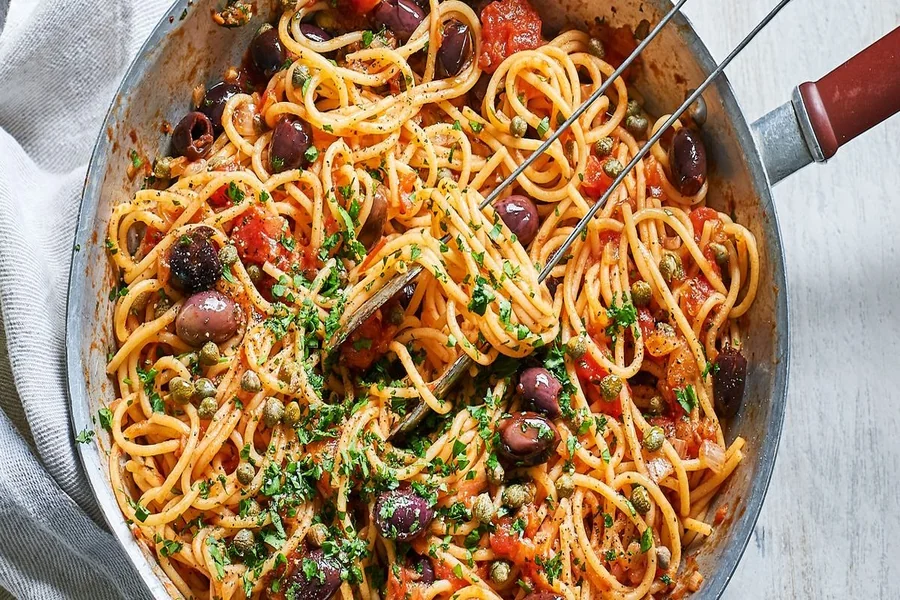
One of the joys of making pasta is the endless possibilities for sauces. Classic Italian combinations are timeless: spaghetti with a rich tomato sauce, fettuccine with creamy Alfredo, or tagliatelle with a hearty Bolognese. Fresh herbs, garlic, olive oil, and Parmesan cheese enhance flavors. For a simple yet elegant dish, toss pasta with butter, garlic, and a handful of fresh parsley. The sauce doesn’t need to be complicated—the freshness and texture of homemade pasta shine through with even the simplest ingredients.
Tips for Perfect Pasta
- Use plenty of water: Pasta needs space to cook evenly and prevent clumping.
- Salt generously: The water should taste like the sea; this seasons the pasta itself.
- Don’t overcook: Fresh pasta cooks very quickly; undercooked pasta can always cook a bit longer.
- Rest the dough: This step is crucial for manageable, non-shrinking pasta.
- Dust with flour sparingly: Too much flour can dry the pasta or make it gummy when cooking.
Storing and Freezing Fresh Pasta
Fresh pasta can be cooked immediately or stored for later. For short-term storage, keep it in an airtight container in the refrigerator for up to 24 hours. For longer storage, freeze the pasta in a single layer on a baking sheet, then transfer to a freezer bag. Freezing preserves the flavor and texture, allowing you to enjoy tasty frozen Italian pasta anytime without compromising quality. When ready to cook, you can boil it directly from frozen; just add an extra minute or two to the cooking time.
Conclusion
Making pasta at home is both an art and a rewarding experience. From kneading the dough to shaping it and pairing it with the perfect sauce, every step allows for creativity and personal expression in the kitchen. While it may take a bit more effort than opening a box of dried pasta, the results are deeply satisfying. Fresh pasta has a texture and flavor that is unmatched by store-bought versions, and the process itself offers a sense of accomplishment. Whether you stick to traditional recipes or experiment with new shapes and flavors, homemade pasta is a culinary skill that will impress your family, friends, and, most importantly, yourself.
In the end, pasta-making is about more than food—it’s about tradition, patience, and enjoying the simple pleasures of crafting something from scratch. With a few ingredients, a rolling pin, and some practice, anyone can master this timeless dish and turn ordinary ingredients into extraordinary meals.