
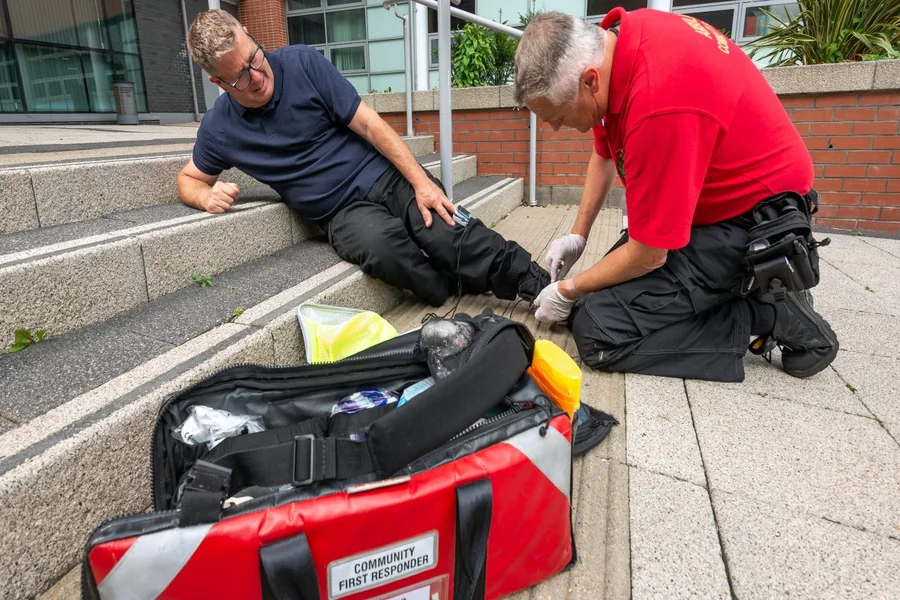
Why First Response Agencies Need Community Support
First response agencies are the backbone of public safety. Firefighters, EMTs, paramedics, and law enforcement officers step into the unknown to protect lives, homes, and neighborhoods on a daily basis—often with limited resources and behind-the-scenes sacrifices.
While government funds create a baseline, local community initiatives fill in critical gaps. When a community backs its first response emergency teams, it reinforces a network of support that leads to both readiness and resilience when every second counts. Here’s how local contributions can make a difference in the lives of first responders.
Emergency Readiness Starts With Education
Many first response agencies run outreach programs to teach the public what to do in a fire, medical emergency, and natural disaster. These initiatives don’t just reduce panic—they are life-saving.
Community donations and volunteer support allow these programs to reach more community members—especially in underserved areas. From CPR classes and fire safety education to school presentations and neighborhood emergency drills, these proactive efforts teach folks how to stay calm and act fast in a crisis situation.
Mental Health Support Is a Lifeline
The toll of emergency work becomes heavy over time. First responders face trauma, loss, long shifts, and high-stress environments. This burden is rarely left at the station—in many cases, it follows the first responders home, bleeding into their personal lives.
Contributing funds to support mental health services for first responders and their families is one of the most powerful ways that communities can show up for these local heroes. Grants, fundraisers, and nonprofit organizations enable first response agencies to offer more access to therapy and crisis intervention resources.
Programs like the National Volunteer Fire Council’s Share the Load initiative are instrumental in raising awareness and offering assistance, but localized support ensures that first responders can receive the help they need without bureaucratic red tape.
Equipment and Training Can Be Expensive
Even the most committed first responders can only function within the confines of what they have. Obsolete gear, understocked medical kits, or limited training resources can slow response times and endanger the lives of both civilians and responders.
For volunteer departments—especially in rural areas—local financial investment is often the only viable path to modernize the equipment, training, and resources. According to the National Fire Protection Association (NFPA), nearly 65 percent of U.S. firefighters are volunteers, who rely on support from their own communities.
Here are just a few ways that local contributions can impact the daily operational needs of first response agencies:
- Updated turnout gear and protective equipment
- Thermal image cameras for fire rescues
- AEDs and trauma supplies
- Technical training and certification courses
Civilians and Responders Need Mutual Trust
When communities support their first responders, social cohesion starts to grow. Civilians are more likely to cooperate in emergencies, share accurate information, and follow evacuation orders or safety guidance protocols when trust has been established.
This connection comes from a collaborative relationship rooted in joint safety goals and a visible community presence. Whether that takes shape through open houses, youth mentorship, or local fundraisers, small actions build mutual respect. In a crisis, this can lead to faster responses, smoother rescues, and fewer injuries.
A Culture of Preparedness Benefits Everyone
Rural or underserved communities often face longer response times and fewer emergency resources. This makes local grassroots preparation and self-sufficient measures even more critical.
Backing your first responders means more than just covering the basics. It means helping the entire ecosystem prepare for real emergencies— from wildfires to medical crises. With the right tools, these agencies can host community drills, collaborate with regional partners, and initiate action plans tailored to your town’s specific risks.
Be a Part of the First Response Safety Net
First responders consistently show up for our communities—often under pressure, without the resources or recognition they deserve. But when members of the community show up for them in return, the whole system becomes stronger. This forms a culture of safety built to last.
If your business or household is in a position to give back—even in small amounts—it can help make an enormous difference in the lives of first responders. It’s a tangible way to show gratitude for those who sacrifice so much, and it benefits everyone in the long run.


