Who Is Liable When A Car Hits A Cyclist In LA?
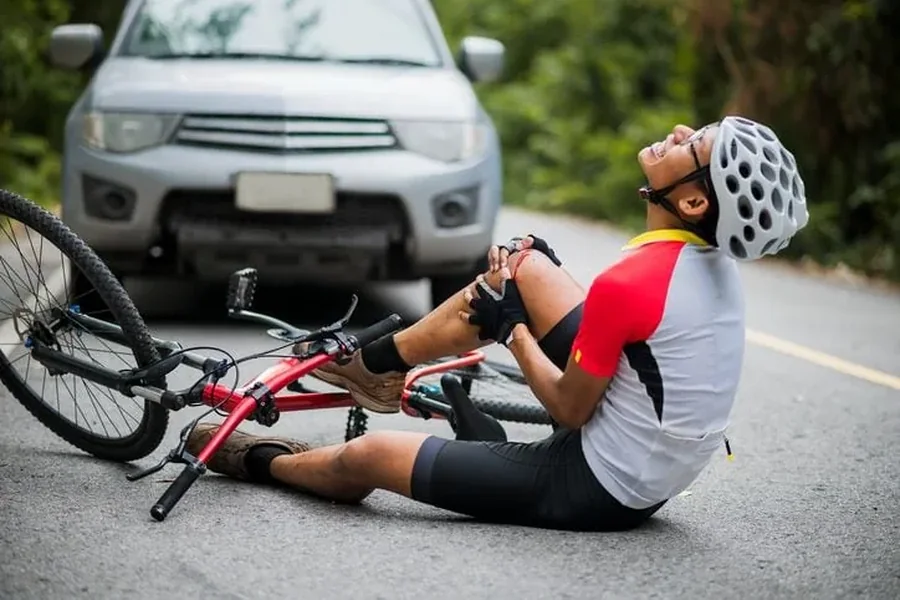
When a driver strikes a cyclist in Los Angeles, liability isn’t automatic. California decides fault by evidence and specific traffic rules that apply to both motorists and people on bikes. A strong claim shows who owed a duty, how that duty was breached, and how the breach caused the injury—then assigns percentages of responsibility if both sides share blame. A seasoned Los Angeles bicycle accident lawyer builds this record fast so adjusters can’t lean on assumptions.
The core legal framework (and why “both can share fault”)
California uses pure comparative negligence. A jury—or an insurer during negotiations—can assign percentages of blame across everyone involved. If the cyclist is 10% at fault and the driver 90%, the cyclist’s recovery is reduced by 10%. This approach comes from the California Supreme Court’s decision in Li v. Yellow Cab, and it’s reflected in the state’s jury instructions on comparative fault.
Key California rules that shape fault in car–bike crashes
Bicyclists have the same rights and duties as drivers. In most situations, a person riding a bicycle must follow the same rules that apply to motor vehicles—obey signals, yield appropriately, and ride predictably. That also means drivers must treat cyclists as legitimate traffic.
The Three Feet for Safety Act. A driver overtaking a bicycle traveling in the same direction must leave at least three feet of clearance; if that’s not possible, the driver must slow to a safe speed and only pass when it’s safe. Close passes are a common cause of sideswipe and “buzz” crashes.
Helmets and minors. California requires riders under 18 (operators and passengers) to wear a properly fitted, CPSC/ASTM-compliant helmet. While helmet use does not decide fault, insurers sometimes argue it affects the extent of head/neck injuries and thus damages.
How liability typically plays out in common LA scenarios
Right-hook and left-cross turns. When a driver turns right across a bike lane without checking mirrors and blind spots—or turns left across an oncoming cyclist’s path—the driver usually bears the brunt of fault for failing to yield. A Los Angeles bike accident lawyer will pull lane-line photos, signal timing, and witness accounts to anchor the turn dynamics.
Unsafe overtaking/door-zone collisions. Passing too close violates the three-foot rule and often explains handlebar strikes or wobble-fall crashes. “Dooring” occurs when a car door swings into the cyclist’s line; the analysis focuses on lookout and whether the cyclist was forced into traffic. Photos of contact points and scrape patterns matter.
Signals and stop signs. If a cyclist rolls a stop or runs a red while the driver proceeds on green, comparative fault can shift. But even then, speed, distance, and driver attention are tested: was the driver distracted, speeding, or making an unsafe movement? Under comparative negligence, liability can be split rather than all-or-nothing.
Night riding and visibility. At night, missing cyclist lighting/reflectors can increase the cyclist’s share of responsibility—yet that doesn’t erase a driver’s duties to maintain a safe speed and keep a proper lookout. The allocation turns on visibility, lamp conditions, ambient lighting, and approach angles documented in photos and video.
Bike lanes and lane positioning. Cyclists generally ride as close as practicable to the right when moving slower than traffic, with important exceptions (avoiding hazards, preparing for left turns, passing, narrow lanes). A bicycle injury attorney will use intersection geometry and lane widths to demonstrate why a particular position was reasonable under the circumstances.
Evidence that actually moves adjusters (and juries)
Neutral video. Corner stores, buses, rideshare dashcams, and traffic cams can settle disputes about speed, signals, and lane position. These systems overwrite quickly—days, not weeks—so acting fast is critical.
Scene and vehicle/bike photos. Wide shots show signal heads, stop bars, and sight lines; close-ups show crush profiles, scuffs on pedals and bar tape, mirror strikes, and door-contact height. Together, they tell a physics story.
Independent witnesses. Names, numbers, and short written summaries (not just “they saw it”) are gold.
Medical documentation. ER records, imaging, and consistent follow-ups connect mechanism → diagnosis → treatment → limitations. This is central to value even when fault is clear.
The police report—plus your supplement. Officers often capture diagrams and statements, but details can be missing. If a significant fact is wrong or omitted, ask the agency to attach your signed supplemental statement so your version sits in the file. (Insurers read reports closely; your supplement prevents a one-sided narrative from hardening.)
Insurance basics after a car–cyclist crash in LA
Driver’s auto liability (BI/PD). This is typically the primary source for an injured cyclist’s medical bills, wage loss, and pain and suffering when the driver is at fault. Limits vary widely.
Cyclist-side coverage. If the cyclist carries uninsured/underinsured motorist (UM/UIM) on an auto policy, it can apply because a motor vehicle caused the injuries—even though the cyclist wasn’t driving. Health insurance and optional MedPay (if purchased) can help with immediate medical costs.
When cyclists share fault. Comparative negligence doesn’t bar recovery; it reduces it. A Los Angeles bicycle accident lawyer will quantify damages rigorously (including future care and earning capacity) so percentage splits don’t overwhelm the value of a serious injury.
What to do right now if you’re the injured cyclist
- Get medical care and follow the plan. Concussion and neck symptoms often develop over 24–72 hours.
- Preserve evidence: photos (wide and close), damaged gear, and clothing; back up cycle-computer/GPS data.
- Hunt for video the same day—ask nearby businesses and residents; many systems overwrite quickly.
- Request the report number and, when available, read the police report carefully; submit a supplemental statement if key details are missing.
- Avoid recorded statements to insurers until you’ve spoken with counsel. Small phrasing mistakes can be used to inflate your share of fault.
How a Los Angeles bicycle accident lawyer strengthens your case
- Code-based liability analysis. We anchor the claim in the exact rules that matter—same-rights/duties for cyclists (CVC 21200) and the Three Feet for Safety Act (CVC 21760)—so liability isn’t argued in vague terms.
- Fast video preservation. We canvas likely cameras (stores, transit, rideshare) and lock down footage before it’s erased.
- Signal timing and geometry. Where needed, we pull signal phase data and analyze approach angles to rebut “I didn’t see them” defenses.
- Medical story, not just bills. We coordinate treating-physician narratives that connect the crash mechanics to diagnoses and future care.
- Comparative-fault strategy. Using Li and CACI 405, we show exactly how responsibility should be split, minimizing any unfair reduction.
FAQ: quick answers we give clients
Does a cyclist’s helmet (or lack of one) decide liability?
No. Helmet use can influence damages for head/neck injuries, but fault turns on road rules and conduct (signals, yielding, safe passing). Riders under 18 must wear a compliant helmet
Is a close pass automatically negligence?
Passing a cyclist with less than three feet violates CVC 21760; we pair that with impact evidence to prove breach and causation.
Can a cyclist ever be mostly at fault?
Yes—running a red, riding the wrong way, or night riding without required lighting can push percentages toward the cyclist. But every case is fact-specific, and comparative negligence often still yields a meaningful recovery.
Free Case Review with Bojat Law Group
If a driver hit you anywhere in Los Angeles—or an insurer is trying to pin blame on you—bring in a team that builds cases on evidence and the Vehicle Code, not assumptions. Bojat Law Group will preserve video, map the signal phases, and push back against unfair fault splits to maximize your recovery. Talk to a Los Angeles bicycle accident lawyer today. Free consultation. No Win No Fee. Call (818) 877-4878 or contact Bojat Law Group now.