Suzuki: A Global Brand Built On Innovation And Accessibility
Suzuki is one of the world’s most recognizable names in mobility, known for producing reliable motorcycles, compact cars, and marine engines. Founded in Japan, the company has grown from a small loom-manufacturing business into a global brand that plays a major role in transportation across Asia, Europe, and beyond. Suzuki’s success lies in its focus on efficiency, affordability, and engineering solutions designed for everyday people rather than luxury markets.
Origins and Early History
Suzuki Motor Corporation was founded in 1909 by Michio Suzuki in Hamamatsu, Japan. Initially, the company had nothing to do with vehicles. Michio Suzuki started the business to manufacture weaving looms for Japan’s silk industry. His looms were innovative and well-engineered, helping the company grow steadily in its early decades.
By the 1930s, Suzuki began exploring motorized transportation as Japan’s demand for vehicles increased. However, World War II delayed these plans, and the company returned to loom production for several years. After the war, Japan faced a severe shortage of affordable transportation, creating an opportunity for Suzuki to pivot. In 1952, the company introduced its first motorized bicycle, marking the beginning of Suzuki’s journey into the mobility industry.
Entry into Motorcycles and Automobiles
Suzuki quickly gained recognition in the motorcycle market. Lightweight, fuel-efficient, and affordable, Suzuki motorcycles were well suited to post-war Japan. Throughout the 1950s and 1960s, the company expanded its motorcycle lineup and began exporting internationally. Suzuki motorcycles soon became popular for both everyday commuting and competitive racing.
In 1955, Suzuki entered the automobile market with the Suzulight, a compact car designed for narrow Japanese roads. The Suzulight featured front-wheel drive and independent suspension—advanced features for its time. This early focus on small, efficient vehicles became a defining trait of Suzuki’s automotive philosophy.
Global Expansion and Market Strategy
Suzuki’s international growth accelerated in the late 20th century. Unlike many automakers that focused heavily on North America or Europe, Suzuki found major success in emerging markets. One of its most significant partnerships was with Maruti in India. Maruti Suzuki became the dominant car manufacturer in India, providing affordable vehicles to millions of families and shaping the country’s automotive landscape.
Suzuki vehicles are especially popular in regions where fuel efficiency, durability, and low ownership costs matter most. Models like the Swift, Alto, Vitara, and Jimny have earned strong reputations for reliability and practicality. Rather than competing directly with luxury brands, Suzuki has consistently focused on compact cars and small SUVs that deliver value.
Engineering Philosophy and Innovation
Suzuki’s engineering philosophy emphasizes simplicity and efficiency. The company prioritizes lightweight design, compact engines, and smart use of materials. This approach not only reduces fuel consumption but also lowers manufacturing costs and environmental impact.
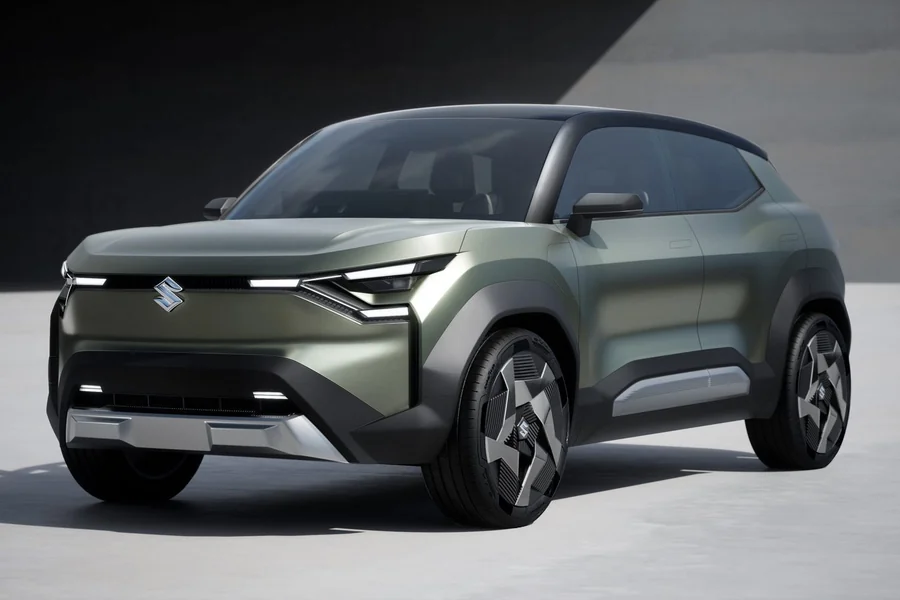
In recent years, Suzuki has invested in hybrid technology and cleaner engines to meet stricter environmental regulations. While it has been slower than some competitors to fully adopt electric vehicles, Suzuki has focused on practical electrification strategies that align with its markets. This includes mild hybrids and partnerships with other automakers to share technology and development costs.
Motorcycles and Motorsports
Suzuki is equally famous for its motorcycles. The brand produces a wide range of bikes, from beginner-friendly commuter models to high-performance sport motorcycles. Suzuki has a strong racing heritage, particularly in MotoGP and endurance racing. Its success in motorsports has helped improve its engineering capabilities and brand reputation.
Iconic models like the GSX-R series have become legends among motorcycle enthusiasts. These bikes are known for their balance of speed, control, and reliability, reflecting Suzuki’s racing DNA.
Marine and Other Products
Beyond land vehicles, Suzuki is a major player in the marine industry. Its outboard motors are used worldwide for fishing boats, recreational boating, and commercial applications. Suzuki marine engines are valued for their durability, fuel efficiency, and quiet operation.
This diversification has helped the company remain stable even when certain markets face challenges. Suzuki’s ability to apply its engineering expertise across different industries is a key strength.
Challenges and the Future
Like many traditional manufacturers, Suzuki faces challenges from rapid technological change, stricter emissions standards, and the global shift toward electric vehicles. The company has responded by forming strategic alliances, including collaborations with Toyota, to share technology and accelerate development. If you ever encounter unexpected mechanical issues with your vehicle, it is always a good idea to call a Suzuki mechanic to ensure the problem is diagnosed and repaired properly.
Suzuki’s future strategy appears focused on sustainable mobility that remains affordable and accessible. Rather than chasing cutting-edge luxury or high-cost innovation, Suzuki aims to provide realistic solutions for everyday transportation needs—especially in densely populated and developing regions.
Conclusion
Suzuki’s story is one of adaptability and purpose. From weaving looms to motorcycles, cars, and marine engines, the company has evolved by responding to real-world needs. Its commitment to efficiency, affordability, and smart engineering has earned it trust across generations of customers.
While Suzuki may not always dominate headlines, its impact on global mobility is undeniable. By staying true to its core values and focusing on practical innovation, Suzuki continues to play an important role in shaping how people move around the world.