Modern Trends in Illustration Design: Blending Tradition, Technology, and Sustainability
Embracing Human-Centric and Tactile Aesthetics
Contemporary illustration is undergoing a major transformation, with designers placing greater emphasis on concepts that feel authentic, approachable, and warm. The rise of human-centric, tactile aesthetics is steering the field away from polished digital perfection and towards emotionally resonant, handmade styles. This new wave of "Anti-AI Crafting" relies on integrating physical media, natural textures, and analog photography to create genuine connections with the audience. Projects often blend layered cutouts, hand-torn edges, and visible brush strokes, which stand in stark contrast to clean, computer-generated imagery. For those exploring fresh trends, the Illustration UI gallery is an excellent resource that showcases real-world applications of current styles.
The tactile movement arises from a broader desire for imperfection, character, and individuality in a world that can sometimes feel dominated by machine-made visuals. Audiences are drawn to handmade marks, inconsistencies, and the unique visual fingerprints of artists themselves. Whether incorporated in editorial illustration, advertising, or brand identity, these tactile elements elicit a sense of warmth and trust that digital-perfect designs often lack.
Revival of Traditional Techniques with a Modern Twist
Artists now blend traditional media with digital enhancements, creating a 'Neo-Traditionalism' style that combines nostalgic ink, watercolor, and pencil with digital editing. This fusion marries timeless visuals with modern technology, appealing to those seeking authenticity and innovation. Illustrators like Owen Gent and Victo Ngai showcase works that seamlessly integrate scanned brush strokes, pencil lines, textures, with digital color and composition. By mixing tangible techniques with digital workflows, these artists attract both purists and tech-savvy creatives. The resulting artwork is rooted yet forward-looking, bridging generations while preserving handmade expressiveness.
Eco-Conscious Imagery and Sustainable Themes
As public awareness of environmental issues rises, designers are incorporating eco-conscious, sustainability-driven themes more deliberately into their illustration work. This movement manifests in earthy palettes, organic shapes, recycled textures, and themes that celebrate nature's beauty. Such art is especially prevalent across wellness, non-profit, and ethical startup branding. The visuals aim to communicate the values of environmental stewardship, responsibility, and a harmonious relationship with the planet.
Beyond the aesthetics, this approach underscores a deeper cultural movement toward conscious consumption and environmental mindfulness. Brands that project these values through their illustrations increase their positive impact and connect more deeply with socially aware audiences.
Integration of AI and Human Creativity
The dialogue between artificial intelligence and human artistry is gaining momentum in the illustration space. Far from replacing illustrators, AI tools like Midjourney and DALL·E are being used to spark creativity and accelerate workflows. Human artists generate initial ideas or rough assets using these tools, which then serve as raw material for later enhancement and personal touch. This harmonious workflow leads to art that feels fresh and experimental, blending the ingenuity of human thought with the computational power of AI.
By using AI as a creative springboard instead of a final producer, designers create more distinctive work. The best outcomes arise from this collaboration: illustrators guided by technology, yet always shaping the final vision with their hands, ideas, and instincts. This approach opens up new fields of exploration in style, composition, and concept development.
Maximalist Psychedelia and Bold Expression
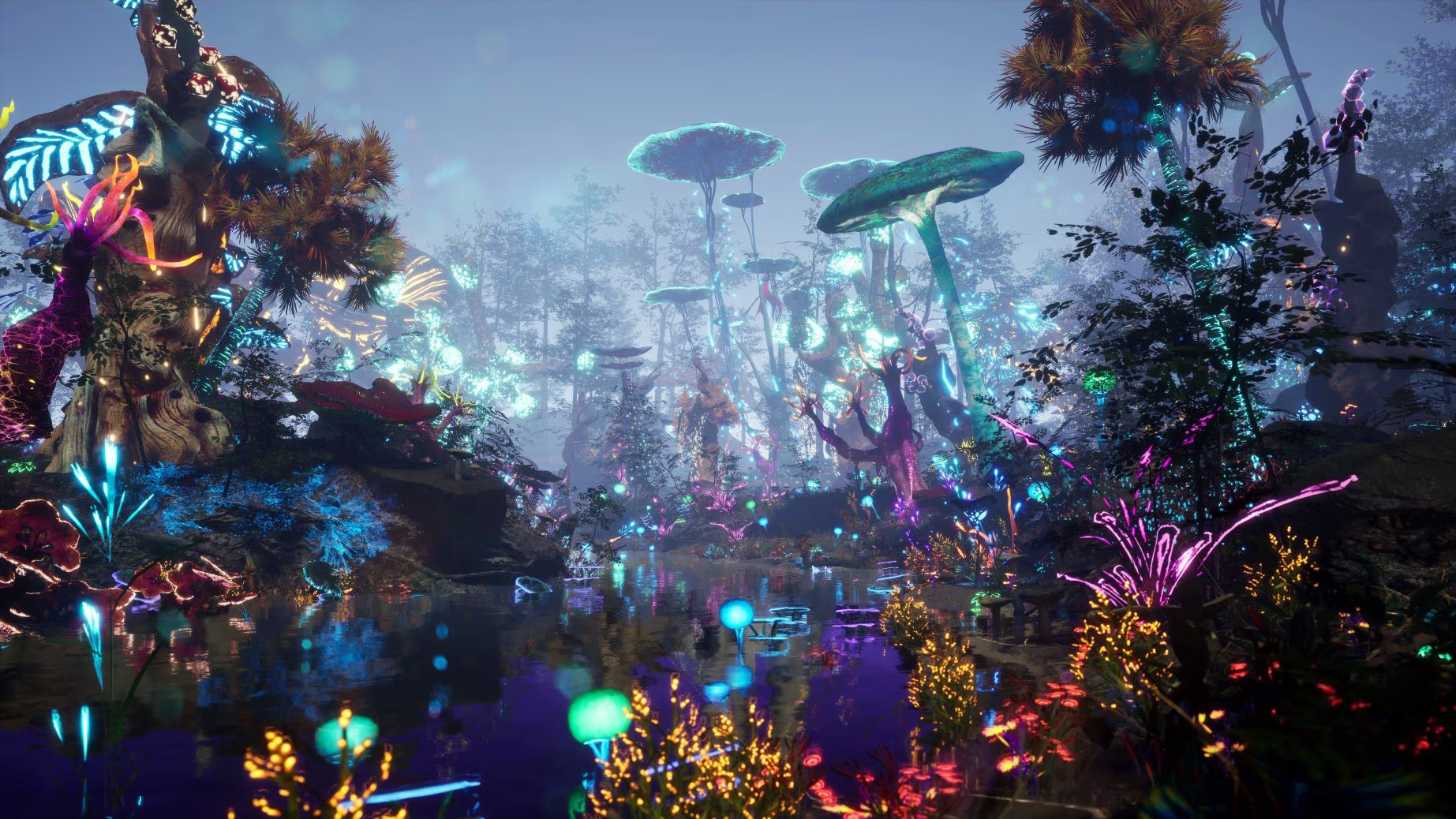
The pendulum of design trends has shifted from minimalism to Maximalist Psychedelia, characterized by bold colors, intricate details, and retro 1970s patterns. This style combines vivid hues, dreamlike compositions, and surreal storytelling to create captivating visuals perfect for editorial illustrations, album covers, and fashion campaigns. It offers a bold, optimistic escape from the often muted, safe design world, blending past inspiration with extraordinary elements to set a new standard for expressive work.
Motion Illustrations and Animated Elements
The demand for dynamic content has given rise to motion illustration and integrated animation. Designers are developing lively, seamless GIFs and interactive micro-animations that enhance the digital user experience. Whether in web design, social feeds, or digital advertising, motion adds depth and surprise, increasing memorability and engagement. Tools like Procreate Dreams and After Effects have democratized the ability to create professional animation, making it within reach of individual illustrators and small studios.
Animated illustrations capture attention in crowded feeds and provide storytelling opportunities that static images can't match. They enable brands and publications to stand out, deliver more information quickly, and guide audiences' focus with fluid transitions and delightful visual cues.
Hand-Drawn Revival in Digital Design
The return to hand-drawn aesthetics in digital environments is a clear response to growing digital fatigue. Audiences and brands alike are seeking visuals with a human touch, distinct lines, oddities, and personality. Incorporating hand-drawn elements restores a sense of artistry and individual voice to the digital realm, countering the sense of anonymity and mechanical sameness that can accompany purely digital graphics.
Designers achieve this effect by digitizing physical sketches, embracing imperfect outlines, or using digital brushes that mimic traditional tools. The result is work that feels more personal, trustworthy, and engaging.
Conclusion
Modern illustration design is being shaped by a deliberate return to authenticity, hands-on craft, and visual storytelling that foregrounds both human ingenuity and responsible messaging. From tactile collages to maximalist color to sustainability-focused themes, these diverse trends reflect not just an aesthetic preference but a deeper need for meaning in a technology-driven world. By balancing tradition with innovation and individuality with universal values, today's illustrators are redefining what it means to connect through images and shaping a future where art feels more relevant than ever.