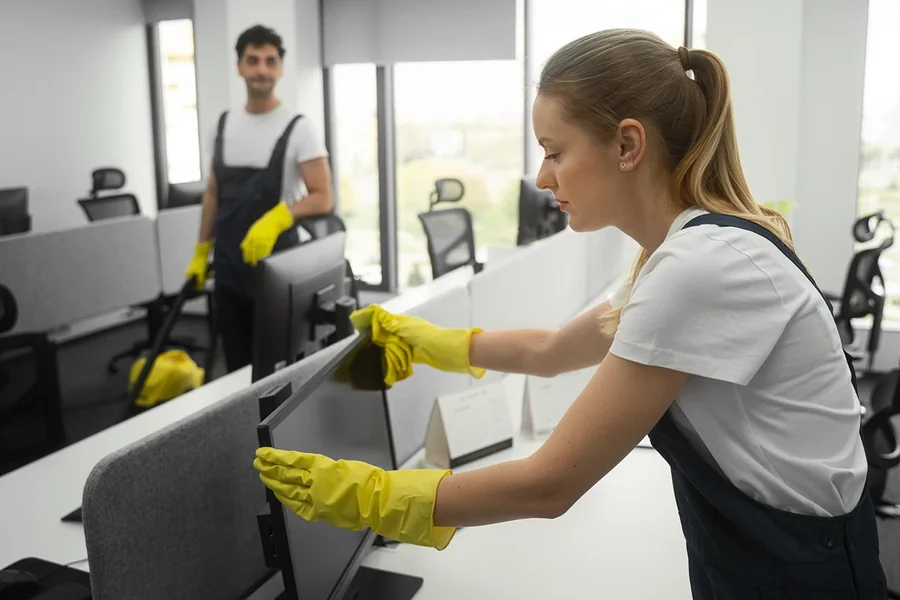
Maintaining High Office Hygiene Standards: Essential Practices For A Healthy Workplace
Maintaining proper hygiene in the workplace is no longer just about appearances—it is a crucial aspect of ensuring employee health, productivity, and overall organizational efficiency. Offices are high-traffic environments where germs can easily spread through shared surfaces, communal equipment, and close interactions. Poor hygiene practices not only increase the risk of illness but also impact employee morale, absenteeism, and company reputation. Therefore, establishing and enforcing clear office hygiene standards is an indispensable part of modern organizational management.
The Importance of Office Hygiene
A clean and hygienic office environment significantly contributes to employee well-being. Research consistently shows that workplaces with rigorous hygiene protocols report lower rates of sickness and absenteeism. For example, viruses like influenza or the common cold can survive on surfaces for hours or even days, making high-touch areas such as keyboards, door handles, and communal kitchen appliances hotspots for transmission. Poor hygiene can also contribute to chronic issues like allergies and respiratory problems due to dust, mold, or inadequate ventilation.
Beyond physical health, office hygiene affects mental well-being and productivity. Employees working in cluttered or unsanitary environments are more likely to experience stress, distraction, and fatigue. Cleanliness fosters a professional atmosphere, promoting focus, collaboration, and pride in the workspace. Moreover, clients and visitors often perceive hygiene standards as reflective of a company’s professionalism and attention to detail.
Key Areas of Focus in Office Hygiene
To implement effective office hygiene standards, organizations must target specific areas that pose the highest risk of contamination and infection. These areas include:
1. Personal Hygiene
Employees are the first line of defense in maintaining a hygienic workplace. Encouraging personal hygiene practices such as regular handwashing, covering coughs and sneezes, and using personal protective equipment when necessary is essential. Companies can promote these practices by providing hand sanitizers at workstations, restrooms, and entrances, alongside visual reminders like posters highlighting proper handwashing techniques.
Personal hygiene also extends to clothing and grooming. Employees should be encouraged to wear clean, work-appropriate attire and maintain personal grooming habits, which reduce the spread of bacteria and help maintain a professional environment.
2. Workspace Cleanliness
Individual workspaces are among the most frequently touched areas in an office. Desks, keyboards, mice, phones, and monitors can accumulate dust, food particles, and germs. Employees should be encouraged to wipe down surfaces regularly with disinfectant wipes, maintain organized desks free of clutter, and avoid eating at workstations to minimize contamination.
Organizations can support workspace cleanliness by providing adequate cleaning supplies, establishing a routine cleaning schedule, and offering guidance on effective cleaning techniques. For example, disinfecting high-touch items like keyboards and phone receivers daily can significantly reduce the risk of germ transmission.
3. Communal Areas
Shared spaces such as conference rooms, kitchens, break rooms, and restrooms require special attention due to high usage and frequent contact. In kitchens and break rooms, hygiene practices should include regular sanitization of counters, sinks, microwaves, refrigerators, and coffee machines. Employees should be instructed to wash dishes immediately after use, label their personal items, and avoid leaving food unattended for long periods. Regular commercial window cleaning also helps maintain a bright, clean environment and prevents the buildup of dust and germs on frequently touched window surfaces. Restrooms require constant maintenance, including routine cleaning, restocking of soap, paper towels, and toilet paper, and proper ventilation to prevent odor and bacterial growth. Touchless fixtures, such as automatic faucets and soap dispensers, can further reduce contamination.
4. Air Quality and Ventilation
Poor air quality can exacerbate the spread of airborne pathogens and allergens. Ensuring proper ventilation, whether through HVAC systems or natural airflow, helps remove contaminants and maintain a comfortable working environment. Regular maintenance of air filters and ducts is crucial. In addition, air purifiers can be installed in areas with limited ventilation to enhance air quality and reduce the risk of respiratory illnesses.
5. Technology and Equipment
Shared office equipment such as printers, copiers, and communal phones can harbor bacteria and viruses. Routine cleaning of these devices with suitable disinfectants is important. Organizations can also consider implementing policies for the use of personal headphones, keyboards, and mice to reduce shared contact with devices.
Encouraging employees to minimize unnecessary physical interaction with shared devices and to sanitize equipment before and after use contributes significantly to workplace hygiene.
Implementing Office Hygiene Standards
Establishing office hygiene standards requires a comprehensive approach that combines policies, employee education, and infrastructure. The following steps can guide organizations in creating a hygienic workplace:
1. Develop Clear Policies
Organizations should create written hygiene policies that outline expectations for both employees and cleaning staff. These policies should cover hand hygiene, workstation maintenance, kitchen and restroom protocols, and the handling of shared equipment. Clear, well-communicated policies ensure consistency in behavior and reduce the risk of neglecting hygiene practices.
2. Educate Employees
Employee education is a key component of successful hygiene standards. Training sessions, informational posters, and digital reminders can increase awareness about proper hygiene practices and the rationale behind them. Employees who understand the impact of their habits on overall workplace health are more likely to comply with hygiene guidelines consistently.
3. Schedule Regular Cleaning
Professional cleaning services should be employed to maintain a clean office environment. Daily or weekly cleaning schedules should include dusting, vacuuming, mopping, disinfecting surfaces, and restocking supplies. In high-traffic areas, more frequent cleaning may be necessary. Cleaning staff should also be trained in effective sanitation techniques, including proper use of disinfectants and attention to high-touch areas.
4. Encourage a Hygiene Culture
Creating a culture that values hygiene requires ongoing reinforcement. Recognizing employees who adhere to hygiene standards, encouraging peer accountability, and incorporating hygiene into broader workplace wellness programs can promote long-term compliance. When hygiene is seen as a shared responsibility rather than a chore, employees are more likely to participate actively.
5. Monitor and Adjust
Office hygiene standards should be periodically reviewed and adjusted based on employee feedback, evolving health guidelines, and observed compliance levels. Regular audits can identify areas that need improvement, while surveys and suggestion boxes allow employees to provide input on hygiene practices and workplace cleanliness.
Challenges in Maintaining Office Hygiene
Despite best efforts, maintaining hygiene standards in offices comes with challenges. Human behavior, budget constraints, and organizational culture can all affect compliance. Some employees may neglect hygiene protocols due to forgetfulness, lack of awareness, or perceived inconvenience. Balancing cost with hygiene needs can also be challenging, especially in large offices or organizations with limited resources.
However, these challenges can be mitigated through consistent enforcement, education, and investment in hygiene infrastructure. Over time, a well-maintained hygiene culture can lead to measurable improvements in employee health, productivity, and satisfaction.
The Benefits of High Office Hygiene Standards
Investing in office hygiene yields numerous benefits for both employees and organizations:
- Reduced Illness and Absenteeism: Cleaner workplaces decrease the transmission of germs, resulting in fewer sick days and more consistent productivity.
- Improved Employee Morale: A clean, organized workspace boosts employee satisfaction, focus, and mental well-being.
- Enhanced Company Image: High hygiene standards demonstrate professionalism and attention to detail, positively influencing clients, visitors, and potential hires.
- Compliance with Health Regulations: Maintaining hygiene standards ensures compliance with occupational health and safety regulations, reducing legal risks and liabilities.
Conclusion
Office hygiene standards are not merely cosmetic—they are essential for the health, safety, and productivity of employees. By focusing on personal hygiene, workspace cleanliness, communal area maintenance, air quality, and shared equipment sanitation, organizations can significantly reduce the spread of illness and create a positive, professional work environment.
Implementing clear policies, educating employees, scheduling regular cleaning, fostering a hygiene-oriented culture, and monitoring compliance are key strategies for success. While challenges exist, the long-term benefits of a hygienic office—including reduced absenteeism, higher employee morale, and a stronger company reputation—far outweigh the costs. In today’s workplace, where health and efficiency are paramount, prioritizing office hygiene is not optional—it is a responsibility.