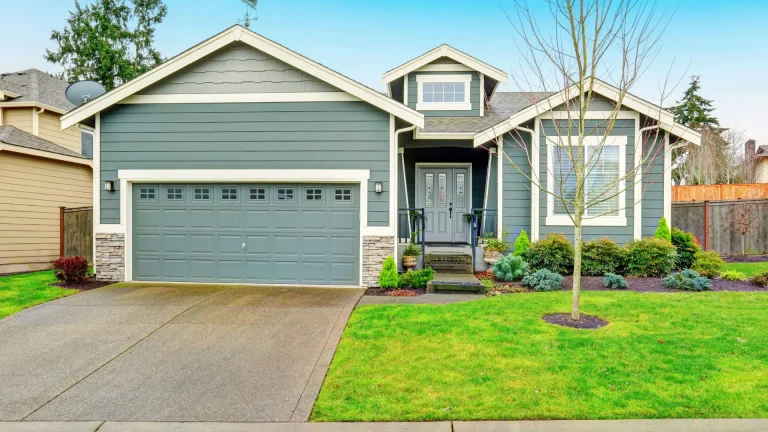
Building A Home From Scratch: A Complete Guide
Building a home from scratch is one of the most ambitious and rewarding projects a person can take on. It combines creativity, planning, engineering, budgeting, and problem-solving into a single process that can take months or even years to complete. While it can be challenging, understanding each stage clearly makes the journey more manageable and much less overwhelming.
1. Planning and Vision
Every home begins with an idea. Before any physical work starts, you need a clear vision of what you want your home to be. This includes the size of the house, number of rooms, architectural style, and special features such as a garage, garden, or energy-efficient systems.
At this stage, most people work with an architect or designer. They help turn rough ideas into detailed blueprints. These plans show the layout of rooms, structural elements, plumbing, electrical systems, and more. It is important to think practically as well as creatively—consider how your needs might change in the future, such as a growing family or working from home.
Budgeting is also a critical part of planning. You need to estimate how much the entire project will cost, including land, materials, labor, permits, and unexpected expenses. A good rule is to set aside extra funds for surprises, because construction projects almost always run into unexpected costs.
2. Finding and Preparing the Land
Once you have a plan, the next step is choosing the right piece of land. Location matters a lot. You need to consider access to roads, schools, shops, utilities, and safety of the area. The land itself must also be suitable for construction.
Before building begins, the land must be prepared. This can include clearing trees, leveling uneven ground, and testing soil stability. Soil testing is especially important because it determines whether the ground can support the weight of a house. If the soil is weak, additional foundation work may be needed, which can increase costs.
Utility connections such as water, electricity, and sewage should also be planned early. If they are not already available, they must be installed before or during construction.
3. Getting Permits and Legal Approvals
Building a house is not just a personal project—it is regulated by local laws. Before construction begins, you must obtain the necessary building permits. These ensure that your home meets safety standards, zoning rules, and environmental regulations.
This process usually involves submitting your architectural plans to local authorities. They review the design to make sure it complies with building codes. Although this step can take time, it is essential. Building without permission can lead to fines or even forced demolition of the structure.
4. Laying the Foundation
The foundation is one of the most important parts of any house. It supports the entire structure and ensures stability over time. There are different types of foundations, such as slab, crawl space, and basement foundations, depending on the design and soil conditions.
Construction begins by digging trenches and creating a base using concrete and steel reinforcement. Once poured, the foundation must cure properly, which can take several days or weeks. A strong foundation is crucial because any mistake at this stage can cause serious structural problems later.
5. Building the Structure
After the foundation is complete, the main structure of the house begins to rise. This is often referred to as the “frame” of the home. It includes walls, floors, and the roof structure.
Most modern homes use wood or steel framing. Workers assemble the frame according to the blueprint, creating the shape of each room. Once the frame is complete, the house starts to look like a real building instead of just a construction site.
Next comes the installation of the roof, which protects the structure from weather conditions like rain, snow, and sun. At this stage, windows and exterior doors are also installed to close off the structure.
6. Installing Systems: Plumbing, Electrical, and HVAC
Once the structure is in place, the focus shifts to the internal systems that make a house functional.
Plumbing systems are installed to supply water and remove waste. Pipes are run through walls and floors to connect kitchens, bathrooms, and laundry areas.
Electrical systems are also installed at this stage. Electricians place wiring throughout the house to provide power for lighting, appliances, and outlets. Safety is extremely important here, as incorrect wiring can lead to serious hazards.
Heating, ventilation, and air conditioning (HVAC) systems are added to regulate temperature and air quality. These systems ensure that the home is comfortable in all seasons.
7. Interior and Exterior Work
After the systems are in place, the house begins to take its final shape. Walls are closed with drywall or plaster, and surfaces are prepared for painting. Floors are installed using materials such as wood, tile, or carpet.
On the exterior, siding or brickwork is added to protect the house and improve its appearance. One increasingly popular design choice in outdoor landscaping is the use of elegant Crazy Pave Tiles, which create a visually striking and natural stone-like finish for pathways, patios, and garden areas. Paint or other finishes are then applied to give the home its final look.
This stage also includes installing kitchen cabinets, bathroom fixtures, doors, and lighting. These details turn the structure into a livable home.
8. Final Inspections and Safety Checks
Before moving in, the house must pass final inspections. Inspectors check that everything meets building codes and safety standards. This includes structural stability, electrical safety, plumbing systems, and fire safety measures.
If any issues are found, they must be fixed before approval is given. Although this can feel like a delay, it ensures that the home is safe and ready for long-term use.
9. Moving In and Final Touches
Once the house passes inspection, it is ready for occupancy. Moving in is an exciting moment, but the process is not always completely finished. Many homeowners continue making small adjustments, such as landscaping the yard, adding furniture, or making minor design changes.
Over time, the house becomes more personalized as people add decorations, upgrade features, and adapt spaces to their needs.
Conclusion
Building a home from scratch is a complex but rewarding journey. It requires careful planning, teamwork, patience, and attention to detail. From choosing land to laying the foundation and adding finishing touches, each step plays an important role in creating a safe and comfortable living space.
While the process can be long and sometimes stressful, the result is a home built exactly to your needs and preferences. That sense of ownership and accomplishment is what makes building a house one of the most meaningful projects a person can undertake.