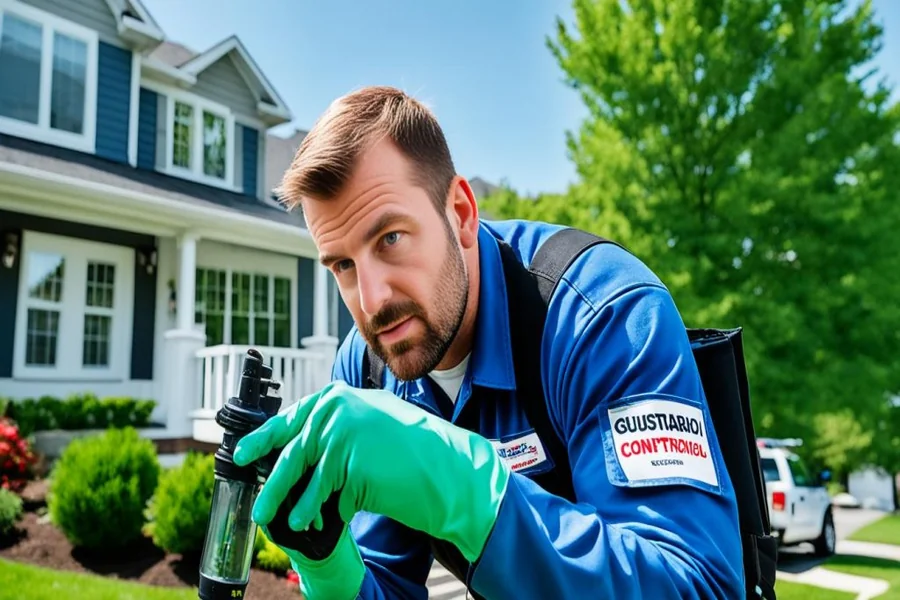
Effective Local Pest Control: Keeping Homes And Businesses Safe
Pest problems are more than just a nuisance—they can be a serious threat to health, property, and peace of mind. From ants in the kitchen to rodents in the attic, pests invade homes and businesses, causing damage and spreading disease. That’s why local pest control services play a crucial role in maintaining safe and healthy environments.
Understanding the Importance of Pest Control
Pests are organisms that interfere with human activities, whether by causing structural damage, contaminating food, or spreading illnesses. While some pests may seem harmless, the impact they can have over time is significant. For instance, termites can weaken the foundation of a building, costing homeowners thousands in repairs, while rodents can chew through electrical wiring, posing fire hazards.
Beyond property damage, pests carry health risks. Cockroaches and rodents, for example, can trigger allergies and asthma. Mosquitoes are vectors for diseases such as West Nile virus, Zika, and dengue fever. Local pest control measures help reduce these risks by preventing infestations before they become unmanageable.
Common Local Pests
Depending on the region, certain pests are more prevalent. In many communities, the following are among the most common:
- Ants – Ants are highly social insects that can invade homes in search of food and water. Some species, like carpenter ants, can damage wood structures.
- Rodents – Mice and rats are not only a nuisance but also carry diseases and can cause significant structural damage.
- Cockroaches – These resilient insects thrive in damp environments and are notorious for contaminating food and surfaces.
- Termites – Termites can silently destroy wooden structures, often going undetected until severe damage has occurred.
- Mosquitoes – Beyond being irritating, mosquitoes are vectors for serious diseases, making their control a public health priority.
- Spiders – While most spiders are harmless, some species can pose a risk, and large infestations can cause concern in homes and workplaces.
Local Pest Control Strategies
Effective local pest control combines prevention, monitoring, and treatment. Here’s a closer look at each approach:
1. Prevention
Preventing pests from entering a property is the first line of defense. Some effective preventive measures include:
- Sealing Entry Points – Cracks, gaps, and holes in walls, doors, and windows provide easy access for pests. Regular inspection and sealing can reduce infestations.
- Proper Food Storage – Keeping food in sealed containers and promptly cleaning up spills minimizes attractions for ants, rodents, and cockroaches.
- Maintaining Cleanliness – Regular cleaning reduces debris and clutter that pests use as shelter.
- Managing Outdoor Spaces – Overgrown vegetation, standing water, and piles of debris can attract pests. Proper landscaping and drainage help mitigate these risks.
2. Monitoring and Early Detection
Detecting pest activity early allows for quicker, more effective interventions. Local pest control companies often use the following methods:
- Regular Inspections – Trained professionals inspect properties for signs of pest activity, structural vulnerabilities, and environmental factors that attract pests.
- Traps and Bait Stations – These tools can monitor rodent and insect activity, providing early warnings before infestations spread.
- Technology – Some modern pest control services use sensors and smart monitoring devices to track pest movements and activity in real time.
For example, a reliable pest control Cairns provider ensures that homes and businesses receive targeted inspections and treatments that address local pest challenges effectively.
3. Treatment and Management
When prevention and monitoring are insufficient, treatment becomes necessary. Local pest control professionals use a variety of methods:
- Chemical Treatments – Insecticides, rodenticides, and other chemical agents can target specific pests. Professionals ensure safe application to minimize risks to humans and pets.
- Non-Chemical Methods – These include traps, heat treatments, and physical barriers. Integrated Pest Management (IPM) often combines chemical and non-chemical methods for sustainable results.
- Ongoing Maintenance – Regular follow-ups help ensure that pests do not return and that any residual risks are managed effectively.
Choosing a Local Pest Control Service
Selecting the right pest control provider is critical. Homeowners and businesses should consider the following factors:
- Experience and Expertise – Choose a company with experience handling the types of pests prevalent in your area.
- Licensing and Certification – Licensed professionals comply with safety and regulatory standards, ensuring effective and responsible pest control.
- Integrated Approach – Services that combine prevention, monitoring, and treatment typically provide longer-lasting results.
- Customer Reviews and References – Feedback from other clients offers insight into the reliability and effectiveness of a service.
Benefits of Localized Pest Control
Using local pest control services has distinct advantages over generic solutions:
- Regional Knowledge – Local companies understand the specific pest challenges of the area, from seasonal outbreaks to common species.
- Rapid Response – Local proximity allows for faster service, minimizing the time pests have to cause damage.
- Community Accountability – Local businesses often rely on community reputation, encouraging high-quality service and customer care.
- Tailored Solutions – Local professionals can recommend strategies that align with the environment, building types, and regulations in your community.
DIY Pest Control vs. Professional Services
While some minor pest problems can be managed with DIY methods, professional pest control offers advantages that are difficult to replicate at home:
- Expert Identification – Correctly identifying the pest is crucial for effective control. Professionals have the expertise to distinguish between species and tailor treatments accordingly.
- Safe Application – Many pest control chemicals require careful handling. Professionals minimize risks to people, pets, and the environment.
- Comprehensive Coverage – Professionals address both visible pests and hidden infestations that may be missed by DIY efforts.
- Long-Term Prevention – Experts provide strategies that reduce the likelihood of recurring infestations, saving time and money over the long term.
Environmentally Friendly Pest Control
Modern pest control increasingly emphasizes environmentally responsible methods. Eco-friendly options include:
- Targeted Treatments – Applying chemicals only where needed reduces environmental impact.
- Biological Controls – Introducing natural predators to control pests, such as using beneficial insects to manage garden pests.
- Organic Products – Utilizing non-toxic alternatives to traditional pesticides for safer, sustainable pest management.
By prioritizing environmental responsibility, local pest control services can protect both your property and the surrounding ecosystem.
Seasonal Considerations
Pest activity often fluctuates with the seasons, influencing control strategies:
- Spring – Increased moisture and rising temperatures attract insects and rodents. Early inspections are crucial.
- Summer – Mosquitoes, ants, and other insects are highly active. Outdoor treatment and prevention measures are important.
- Fall – Rodents seek shelter indoors as temperatures drop. Sealing entry points becomes a priority.
- Winter – Some pests hibernate indoors, making monitoring and preventive treatments necessary.
Understanding seasonal trends helps homeowners and businesses anticipate problems and work with local pest control providers proactively.
Conclusion
Local pest control is an essential service that protects health, property, and peace of mind. By understanding common pests, implementing preventive measures, monitoring for early signs, and using professional treatments, communities can maintain safe, comfortable environments. Choosing a reliable local pest control service ensures that infestations are handled efficiently and sustainably, with strategies tailored to the specific challenges of the area.
Investing in proactive pest control not only addresses current issues but also prevents future problems, saving time, money, and stress. Whether for homes, businesses, or public spaces, local pest control remains a cornerstone of a healthy and safe community.