Straightening Smiles: Modern Advances In Orthodontic Care
A beautiful smile has long been considered a symbol of confidence and good health. Beyond aesthetics, properly aligned teeth contribute to better oral hygiene, reduced risk of dental problems, and improved overall well-being. Orthodontics, the branch of dentistry focused on correcting irregularities of the teeth and jaw, has evolved dramatically over the years. From traditional metal braces to cutting-edge clear aligners and digital technologies, modern orthodontic care offers a variety of options tailored to meet individual needs, comfort, and lifestyle.
The Evolution of Orthodontics
Orthodontics has been around for centuries, but early attempts were rudimentary. Archaeological evidence shows that ancient civilizations used crude bands and wires to attempt teeth alignment, but methods were often painful and ineffective. In the 18th and 19th centuries, dentists began developing more structured techniques, introducing metal bands and the concept of braces. By the mid-20th century, orthodontics had advanced with the introduction of stainless steel brackets and wires, significantly improving treatment efficiency.
Today, orthodontics is no longer just about aesthetics. Modern orthodontists consider functional issues, such as bite alignment, jaw development, and temporomandibular joint health, when planning treatments. These advances ensure that patients receive not only a straight smile but also long-term oral health benefits.
Cutting-Edge Technologies Transforming Orthodontic Care
One of the most remarkable changes in orthodontics is the integration of technology into diagnosis and treatment. Digital imaging and 3D scanning have revolutionized how orthodontists evaluate a patient’s teeth and jaw structure. Traditional impressions, which could be uncomfortable and messy, have largely been replaced by digital scans. These scans create precise 3D models of a patient’s mouth, allowing for more accurate diagnosis and treatment planning.
Computer-aided design and manufacturing (CAD/CAM) systems have also improved the customization of braces and aligners. With these tools, orthodontists can create personalized appliances that fit more comfortably, move teeth more efficiently, and often reduce overall treatment time. Virtual treatment simulations now allow patients to see a predicted outcome of their orthodontic treatment before even beginning, enhancing patient understanding and engagement.
Braces: Modern Twists on a Classic Treatment
Traditional braces have not disappeared; instead, they have become sleeker, more comfortable, and less noticeable. Modern metal braces are smaller, more rounded, and designed to reduce irritation to the gums and cheeks. Ceramic braces, which blend with the natural color of teeth, offer a less visible alternative for patients seeking discretion. Additionally, self-ligating braces, which use clips instead of elastic bands to hold the wire in place, reduce friction and make adjustments faster and more comfortable.
The Rise of Clear Aligners
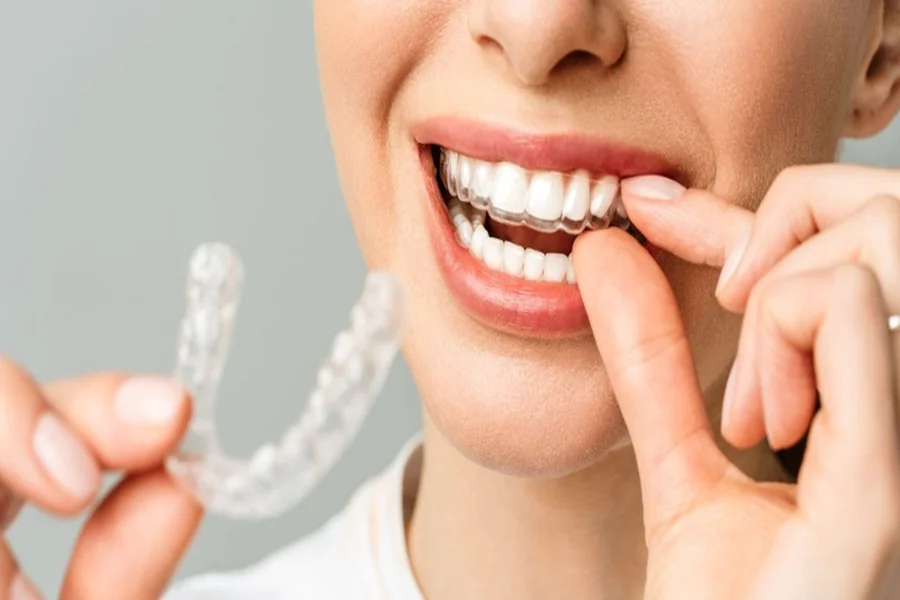
Perhaps the most revolutionary development in recent orthodontics is the widespread use of clear aligners. Brands like Invisalign have popularized these virtually invisible, removable trays that gradually shift teeth into their proper position. Clear aligners appeal to adults and teens who want effective treatment without the aesthetic and social concerns associated with traditional braces.
Clear aligners offer several advantages beyond appearance. Since they are removable, patients can maintain oral hygiene more effectively by brushing and flossing without obstruction. They also provide greater flexibility in eating habits, reducing the restrictions often associated with braces. While clear aligners are highly effective for many cases, complex tooth movements may still require traditional braces or a combination of both approaches.
Enhancing Treatment with Accelerated Techniques
Time is often a concern for patients seeking orthodontic care. Modern orthodontics has introduced techniques and devices that can accelerate tooth movement safely. Methods such as Propel, AcceleDent, and micro-osteoperforation use gentle stimulation to promote faster bone remodeling, reducing overall treatment time without compromising results. These innovations provide patients with efficient solutions while maintaining comfort and safety.
Emphasis on Comfort and Patient Experience
Patient comfort has become a central focus in modern orthodontics. Advances in materials, appliances, and techniques have minimized discomfort during treatment. For example, nickel-titanium wires used in braces apply gentle, continuous force, reducing pain compared to older materials. A careful orthodontist ensures that every adjustment is precise, minimizing discomfort and maximizing effective results. Orthodontists also offer better support, education, and monitoring tools to ensure patients feel informed and at ease throughout their treatment journey.
Moreover, digital communication tools allow orthodontists to monitor progress remotely, schedule adjustments efficiently, and address concerns promptly. This not only improves convenience for patients but also enhances adherence to treatment plans and outcomes.
The Future of Orthodontics
The future of orthodontics promises even more innovation. Artificial intelligence (AI) is beginning to assist in treatment planning, predicting tooth movement with incredible accuracy. 3D printing is making appliances more customizable, faster, and cost-effective. Researchers are exploring biologically-based approaches, such as accelerating tooth movement through gene therapy or biomaterials, which could dramatically reduce treatment times in the years to come.
Ultimately, the goal of modern orthodontics is not just to straighten teeth, but to provide comprehensive care that promotes oral health, functionality, and patient confidence. The integration of technology, aesthetics, and comfort has transformed orthodontic treatment from a purely functional procedure into a personalized experience tailored to each individual’s needs and lifestyle.
Conclusion
Orthodontics has come a long way from the early, cumbersome attempts to straighten teeth. Today’s advances offer patients more options, greater comfort, and more predictable outcomes than ever before. Whether through sleek metal braces, discreet ceramic options, or nearly invisible clear aligners, modern orthodontic care allows patients to achieve their dream smiles while prioritizing oral health and overall well-being. As technology continues to evolve, the journey to a confident, healthy smile will become faster, more precise, and more personalized than ever.